
Baroque church of Saint Saturnin

Eglise hiver Eric Axelrad

Eglise Saint Saturnin vue du ciel © Drone de Regard / OT SSA
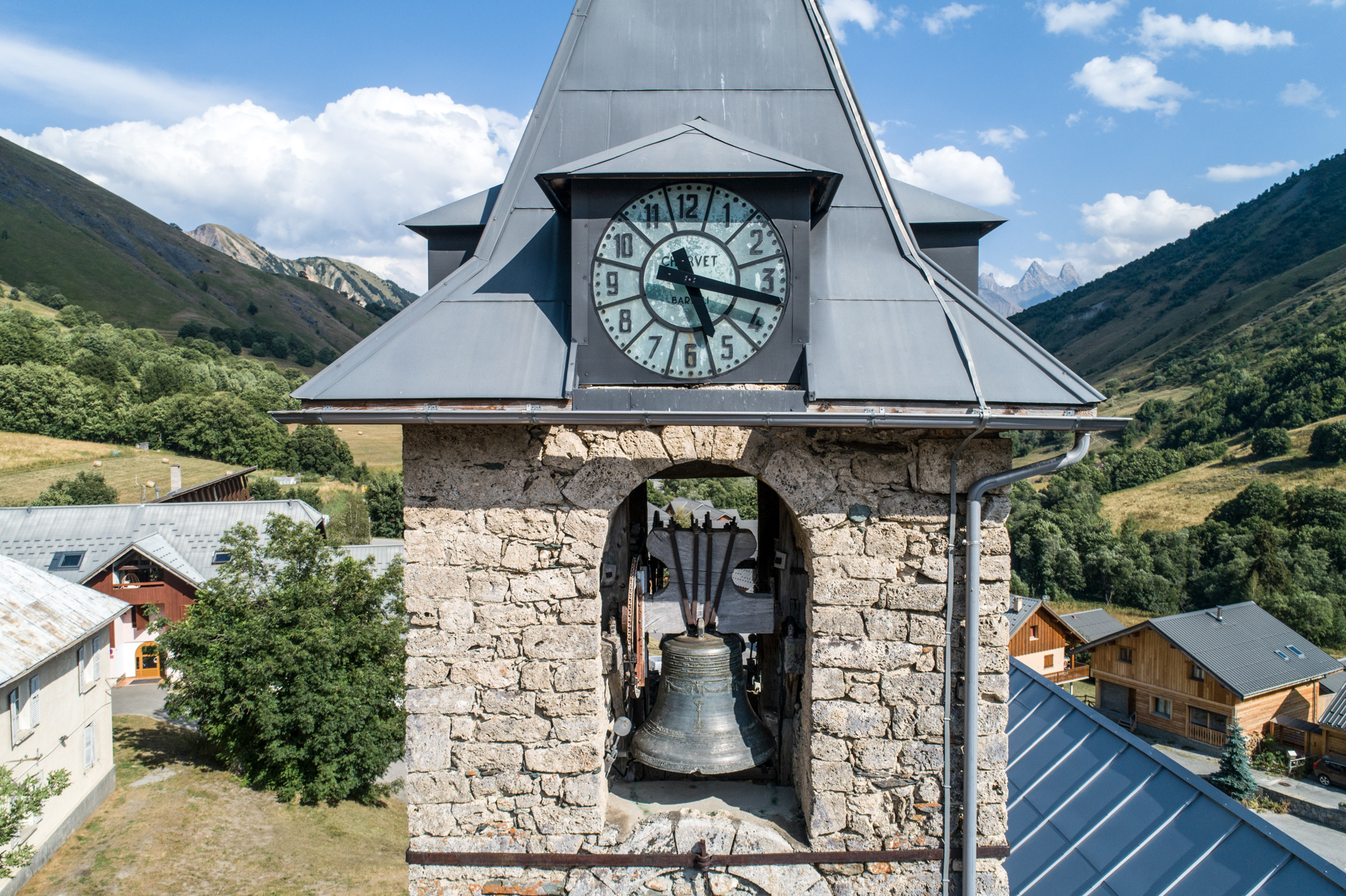
Clocher de l'église Saint Saturnin © Drone de Regard / OT SSA

Eglise Saint Saturnin et village vus du ciel © Drone de Regard / OT SSA
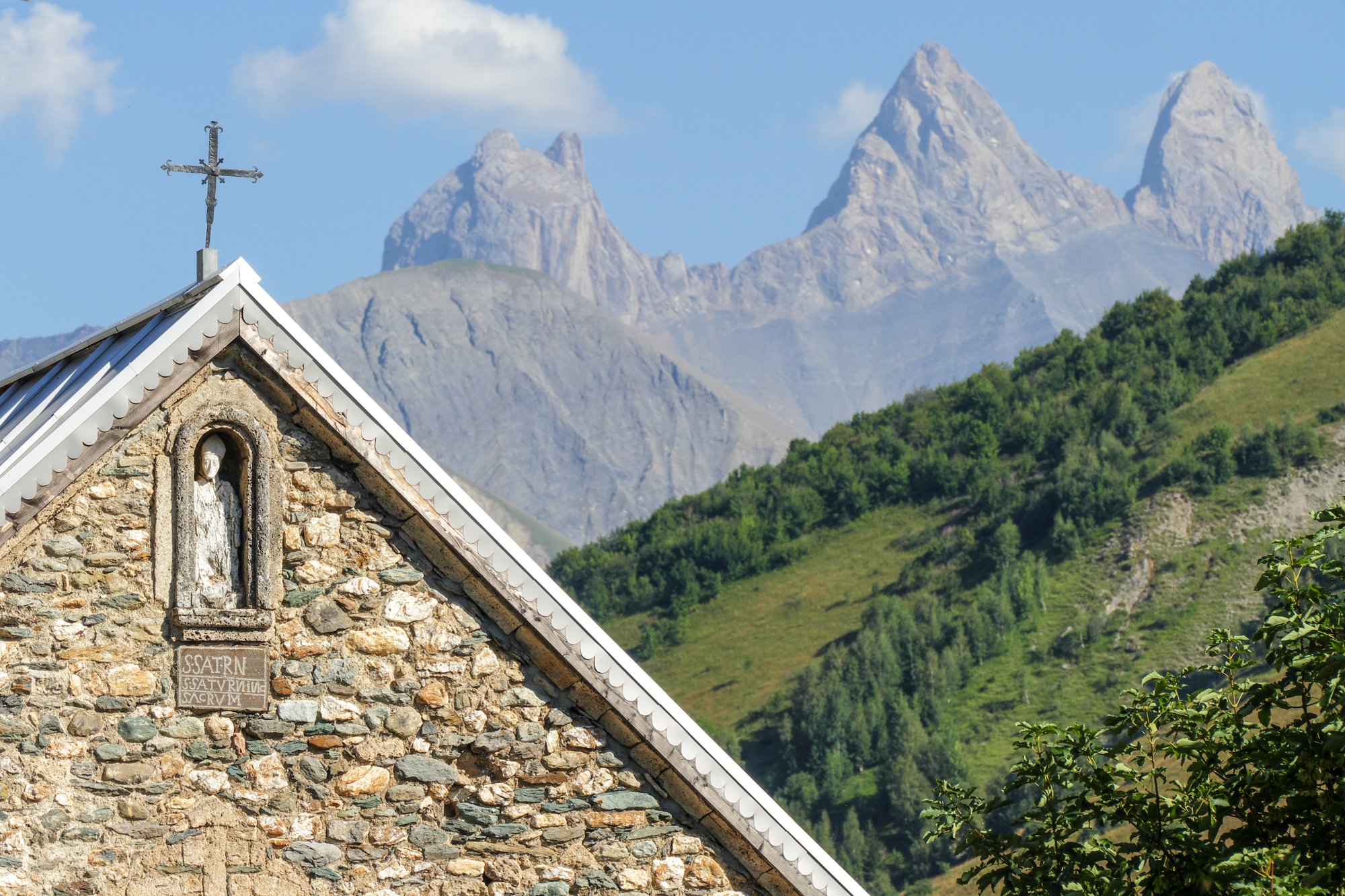
Eglise Saint Saturnin et Aiguilles d'Arves © Drone de Regard / OT SSA

Couronnes mortuaires en perles © Drone de Regard / OT SSA
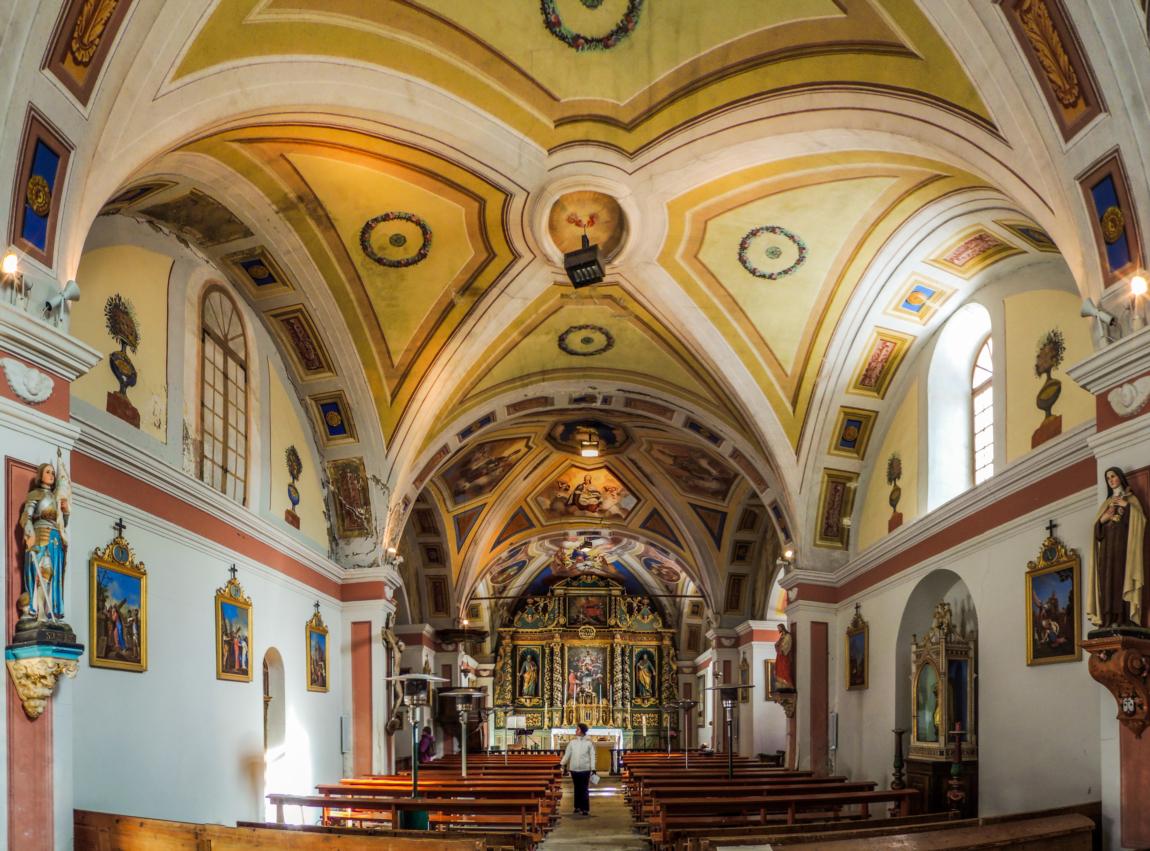
Eglise baroque St Saturnin A.Bouler pour l'Office du Tourisme de Saint Sorlin d'Arves
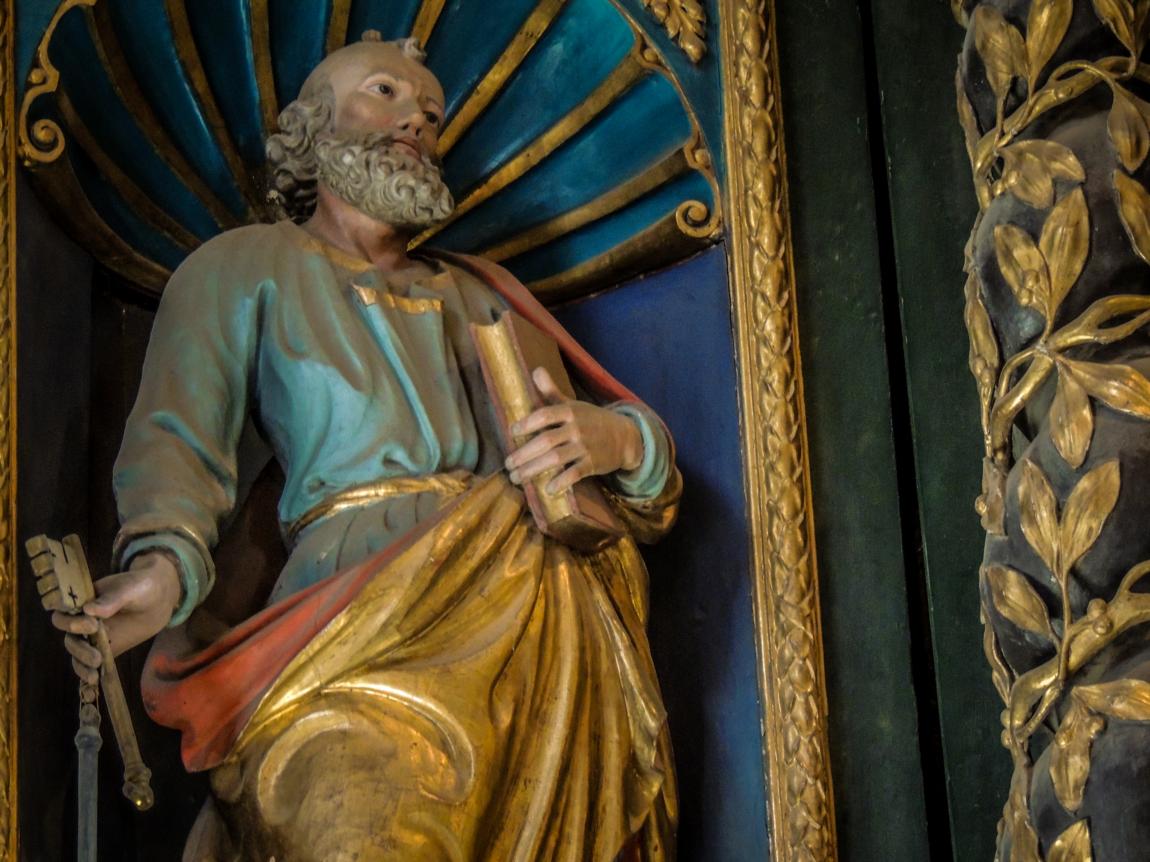
Statue de l'Eglise baroque St Saturnin A. Bouler pour l'Office du Tourisme de Saint Sorlin d'Arves
The church Saint Saturnin was built in 1603 and enlarged in 1658.
A monument to visit in the heart of Sybelles which is part of the history of Arves.
General history of the church:
The architect is unknown, but we know that each church was built in accordance with the architectural principles of Charles Borromeo, which were as follows: the building must be situated on a hillock and surrounded by its own enclosed cemetery; the façade must be unadorned and painted in a uniform local colour (local render = lime + sand).
The only exterior decorative elements are, firstly, the door frame, which consists of a semicircular arch and a broken triangular pediment, followed by an arched window flanked by rectangular windows, a niche with an inscription housing the statue of Saint Saturnin, protector of the parish’s sheep; and finally, the church derives its originality above all from the funeral wreaths hung on its walls rather than placed on the graves, where the snow would shatter their glass beads. ‘Chemins du Baroque’ website.
The interior of the church: officially consecrated in honour of Saint Saturnin in 1761, Saint Sorlin was once the destination of a pilgrimage to the saint, with cattle traders from the Dauphiné bringing him offerings.
The church was built on a rectangular plan with a single nave and an east-facing apse. It has a vaulted ceiling but no dome: the latter is simulated through the use of frescoes. The building is light-filled as it has no stained-glass windows: these are simply open windows. A gallery was added to the building in 1683, beneath which you pass as soon as you enter.
The Choir: The oldest part of the building, its centrepiece is, of course, the altarpiece carved from Swiss stone pine (or Arolle), a wood with the distinctive properties of not splitting and emitting a scent that repels insects (it is a soft wood with a very fine grain that is very easy to carve. It is also highly prized for furniture-making). The altarpiece consists of six twisted columns that frame three panels and support an entablature.
In the side panels, there are two niches housing wooden statues of Saint Peter and Saint Paul. The central panel was painted by Gabriel Dufour in 1704. It depicts the glorification of Saint Saturninus in the presence of angels, Saint Vincent, patron saint of vineyards, and Saint Anne, patron saint of mothers.
The architect is unknown, but we know that each church was built in accordance with the architectural principles of Charles Borromeo, which were as follows: the building must be situated on a hillock and surrounded by its own enclosed cemetery; the façade must be unadorned and painted in a uniform local colour (local render = lime + sand).
The only exterior decorative elements are, firstly, the door frame, which consists of a semicircular arch and a broken triangular pediment, followed by an arched window flanked by rectangular windows, a niche with an inscription housing the statue of Saint Saturnin, protector of the parish’s sheep; and finally, the church derives its originality above all from the funeral wreaths hung on its walls rather than placed on the graves, where the snow would shatter their glass beads. ‘Chemins du Baroque’ website.
The interior of the church: officially consecrated in honour of Saint Saturnin in 1761, Saint Sorlin was once the destination of a pilgrimage to the saint, with cattle traders from the Dauphiné bringing him offerings.
The church was built on a rectangular plan with a single nave and an east-facing apse. It has a vaulted ceiling but no dome: the latter is simulated through the use of frescoes. The building is light-filled as it has no stained-glass windows: these are simply open windows. A gallery was added to the building in 1683, beneath which you pass as soon as you enter.
The Choir: The oldest part of the building, its centrepiece is, of course, the altarpiece carved from Swiss stone pine (or Arolle), a wood with the distinctive properties of not splitting and emitting a scent that repels insects (it is a soft wood with a very fine grain that is very easy to carve. It is also highly prized for furniture-making). The altarpiece consists of six twisted columns that frame three panels and support an entablature.
In the side panels, there are two niches housing wooden statues of Saint Peter and Saint Paul. The central panel was painted by Gabriel Dufour in 1704. It depicts the glorification of Saint Saturninus in the presence of angels, Saint Vincent, patron saint of vineyards, and Saint Anne, patron saint of mothers.
Benefits
Services
- Guided tours
Further information
Spoken languages :

Publics :
Groups
Adapted tourism :
Accessible for wheelchairs with assistance
Localization supplement
Située à l'entrée de la station de Saint Sorlin d'Arves
Opening hours
WINTER : Guided tour offered every week as part of the village tour led by a FACIM guide on Wednesday afternoons. See the events programme.
SUMMER : Self-guided tours from Wednesday to Sunday from 2.45 pm to 6.30 pm or guided tours on Wednesday afternoons with a FACIM Foundation guide.
See the events programme.
Information updated on 30/03/2026 by Office de Tourisme de Saint-Sorlin-d'Arves