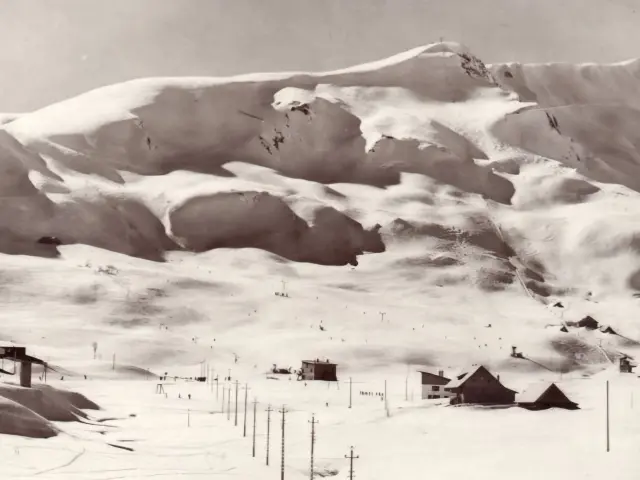
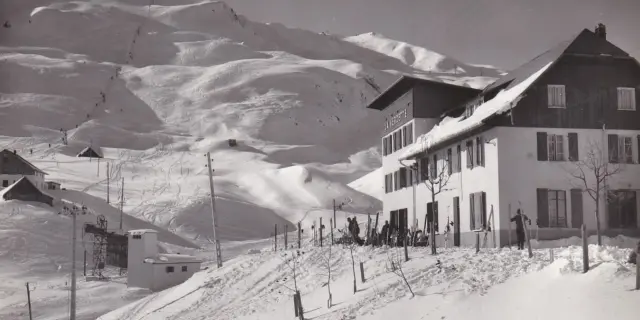
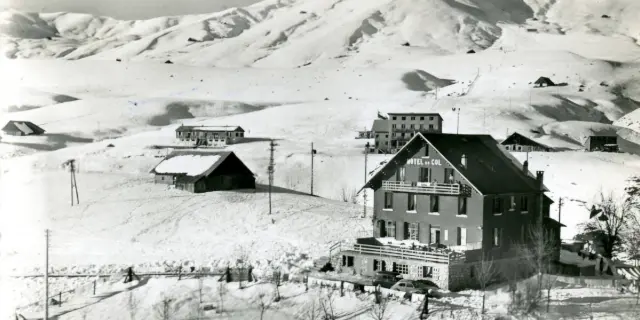
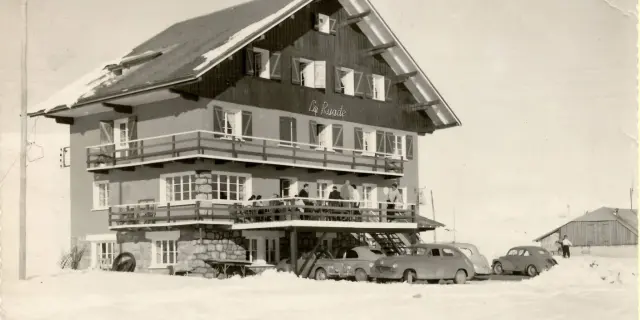
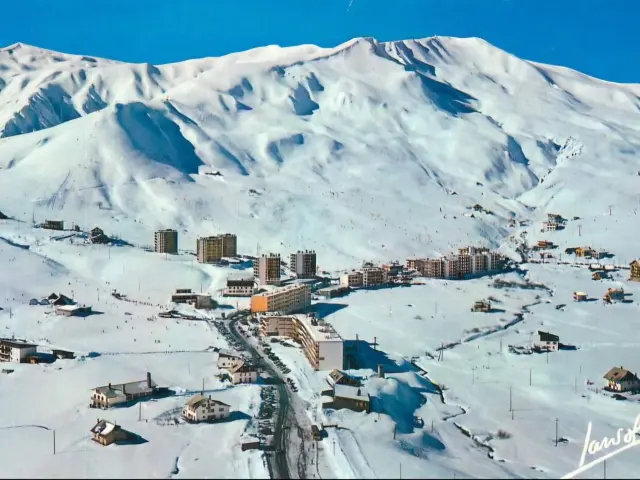
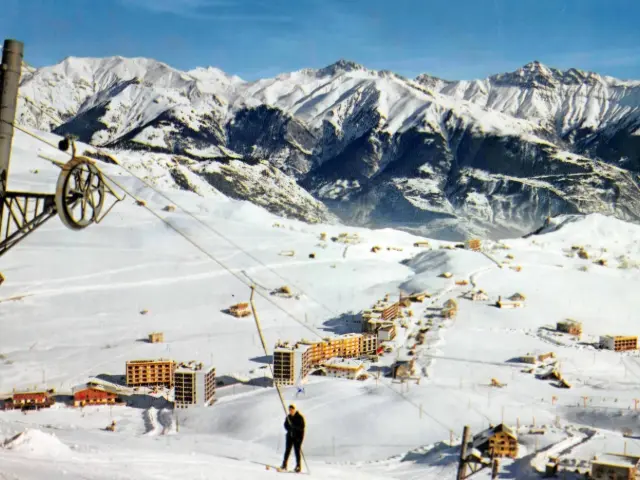
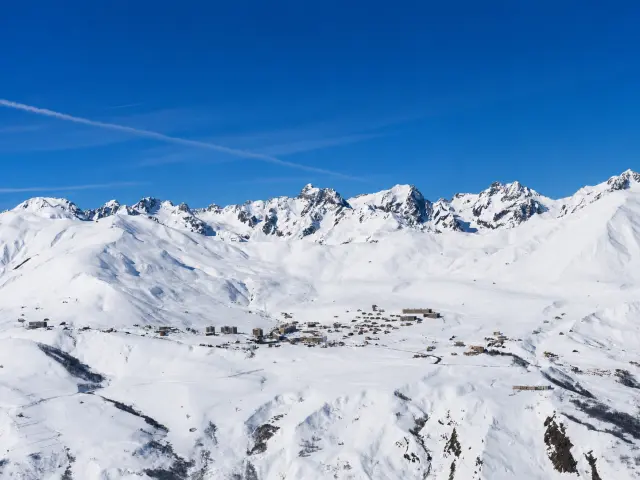
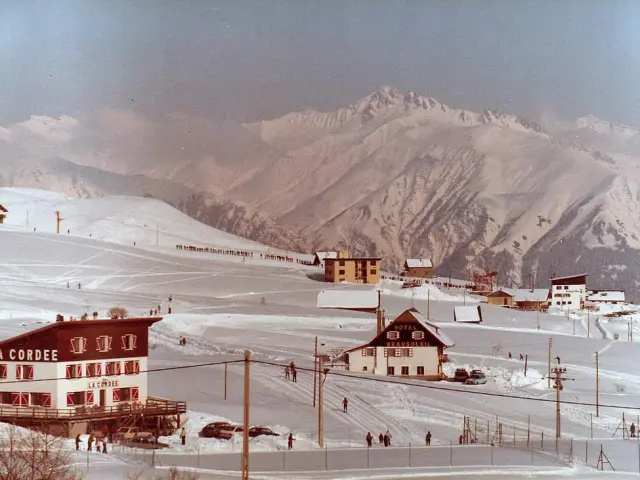
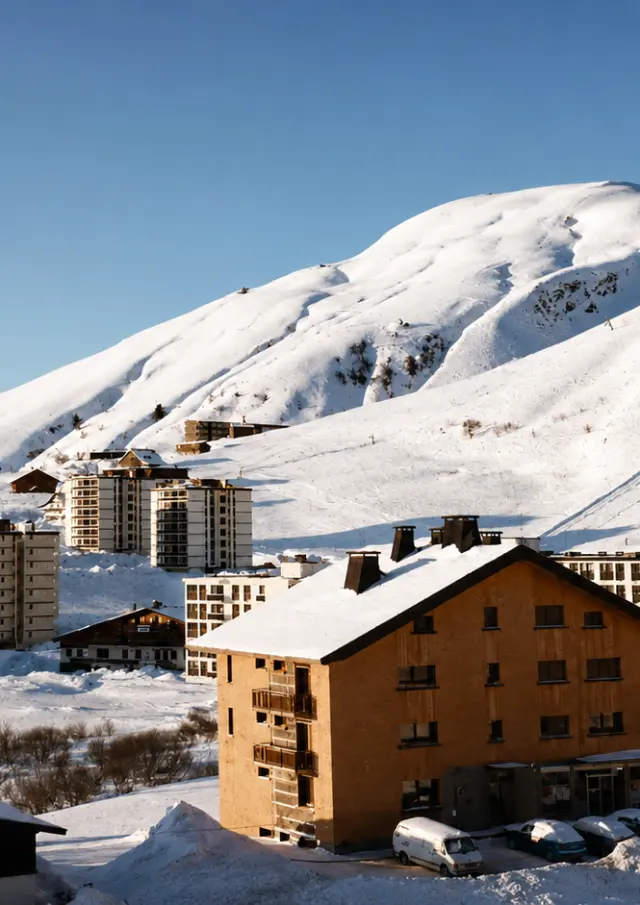
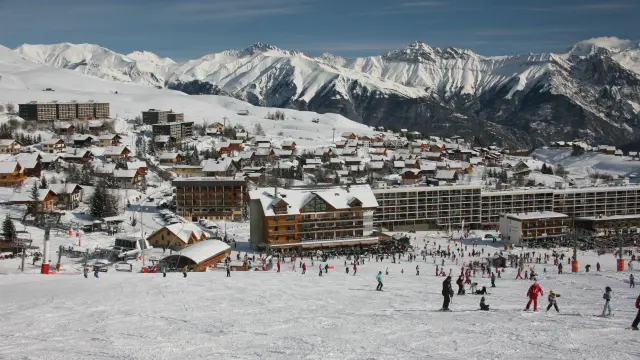
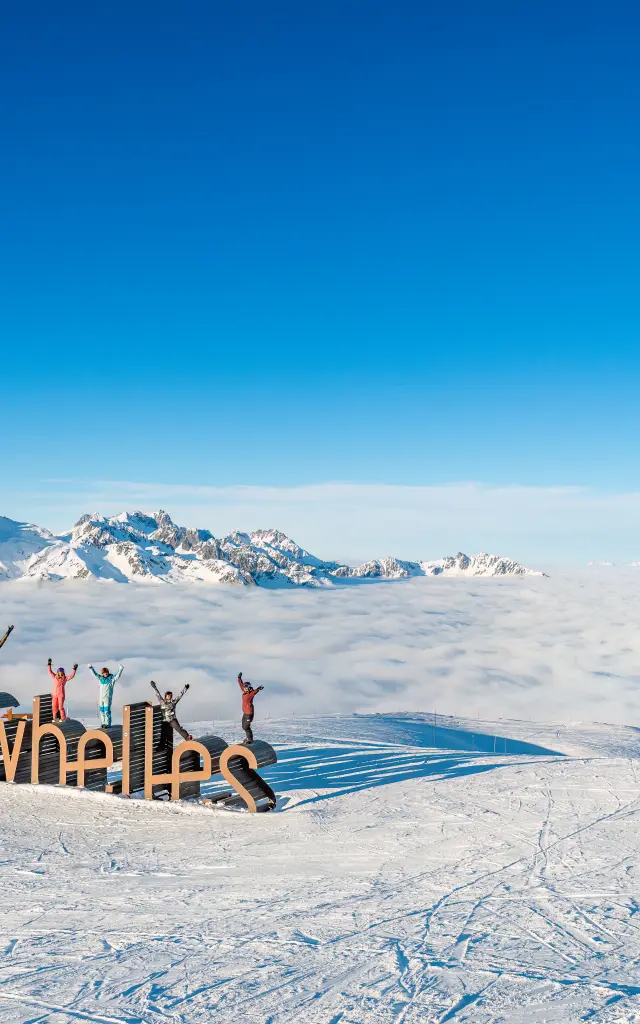
A view of a snow-covered mountain village with snow-capped peaks in the background beneath a clear blue sky
©

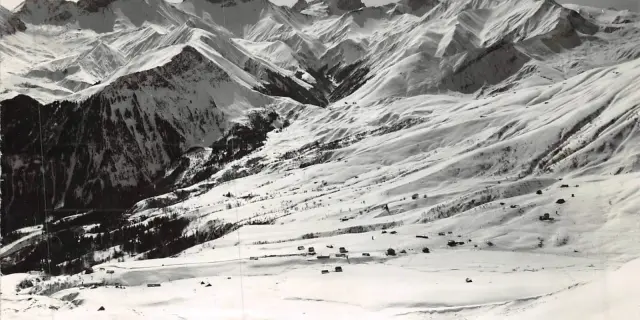
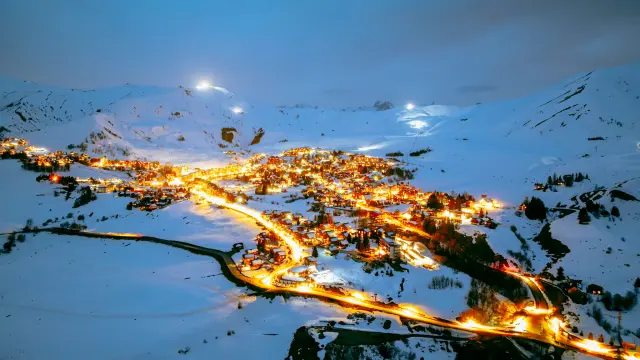
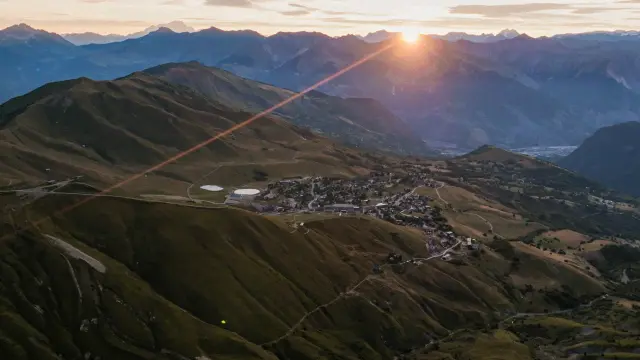
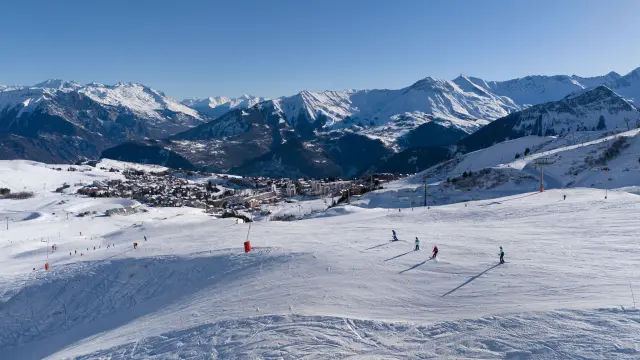
Snow-capped peaks tower over a peaceful village, where the roofs of the houses are covered in fresh snow.

|

Studio Vincent

Be part of the history of 

La Toussuire

For nearly 90 years, La Toussuire has been developing, evolving and reinventing itself. Discover the moments that have shaped its identity.

The birth of a resort

Ajouter aux favoris

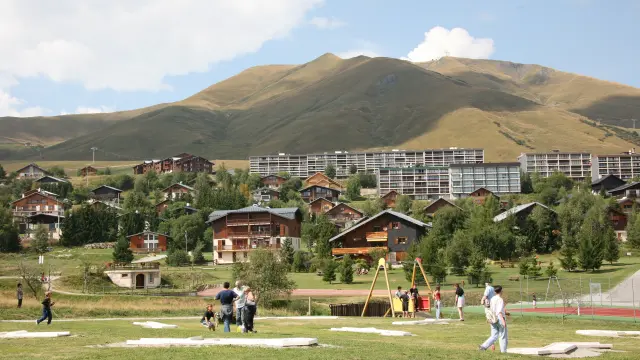
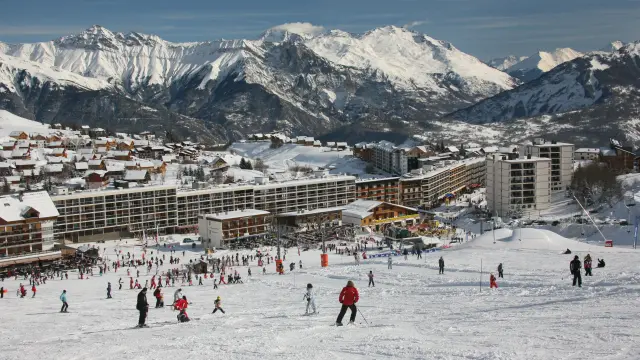
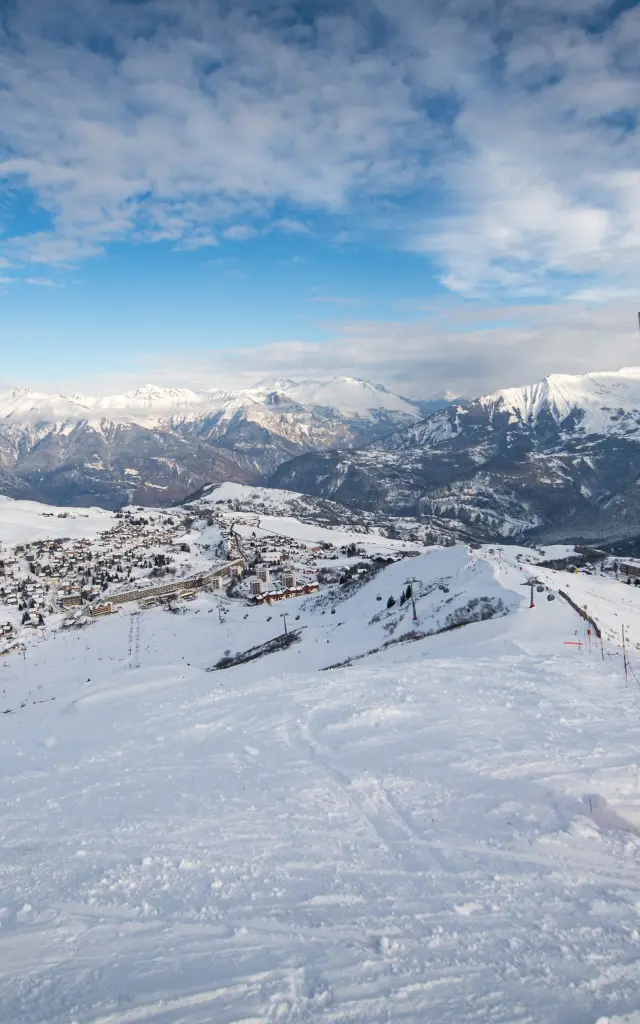
Today, La Toussuire is known as a resort perched at an altitude of 1,800 metres, offering views of the mountain peaks and wide open spaces. Yet its history is not limited to its snow-covered slopes, its events or its exceptional panoramic views.

Let yourself be whisked away through time!

Before becoming the destination we know today, La Toussuire has undergone nearly 90 years of change, challenges and ambitions. Decade after decade, men and women have shaped this area, transforming a mountain plateau into a vibrant, welcoming and forward-looking resort.

Behind every building, every ski lift and every familiar landscape lie anecdotes, daring projects and a history that is often little known.

So, do you really know La Toussuire? Embark on a journey through time and discover how this resort became the one you love today.

Before the 1920s The mountain pasture plateau

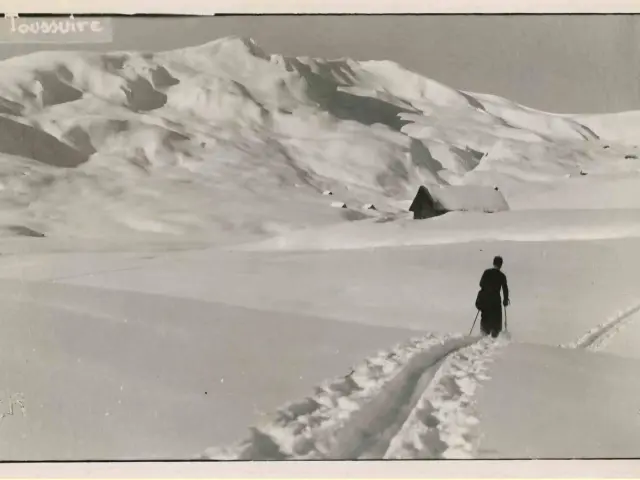
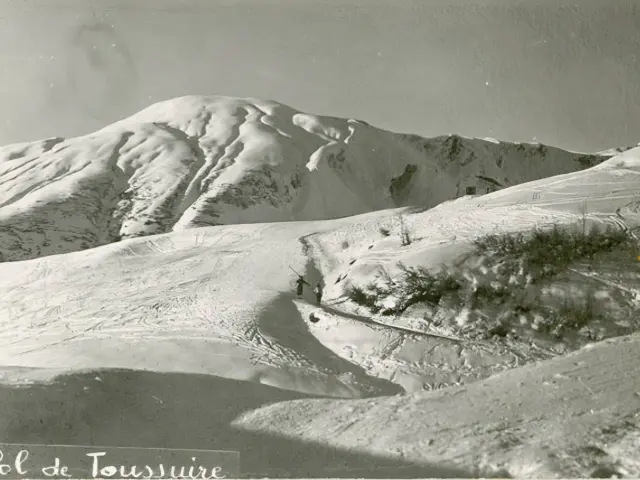
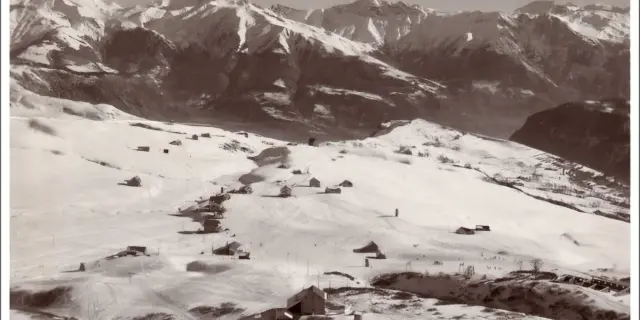
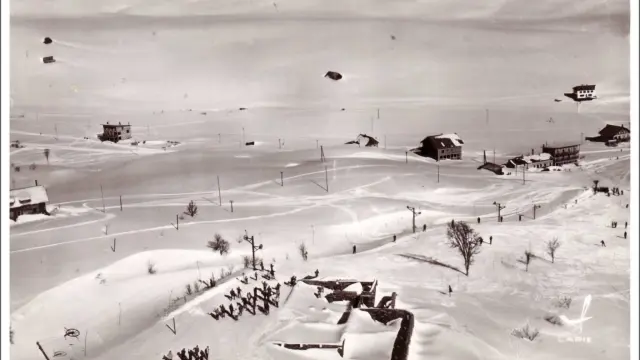
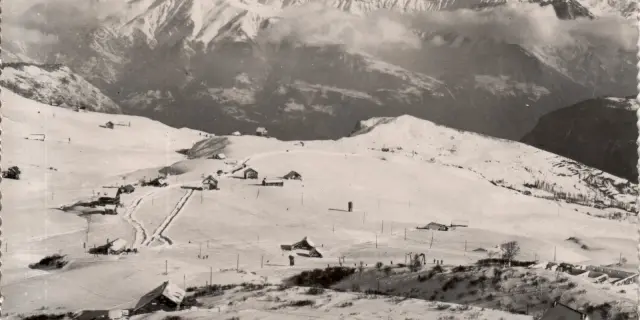
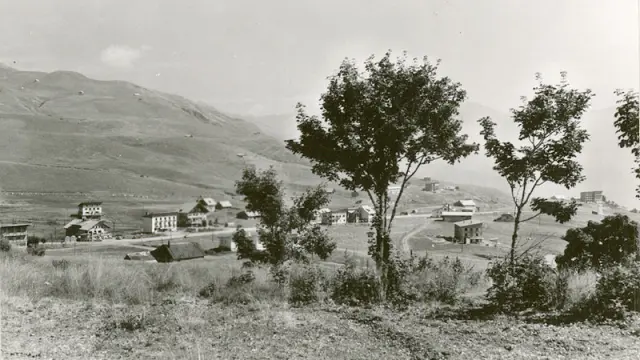
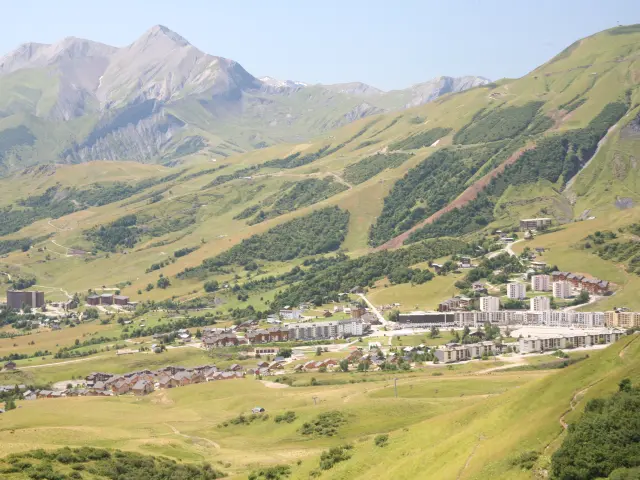
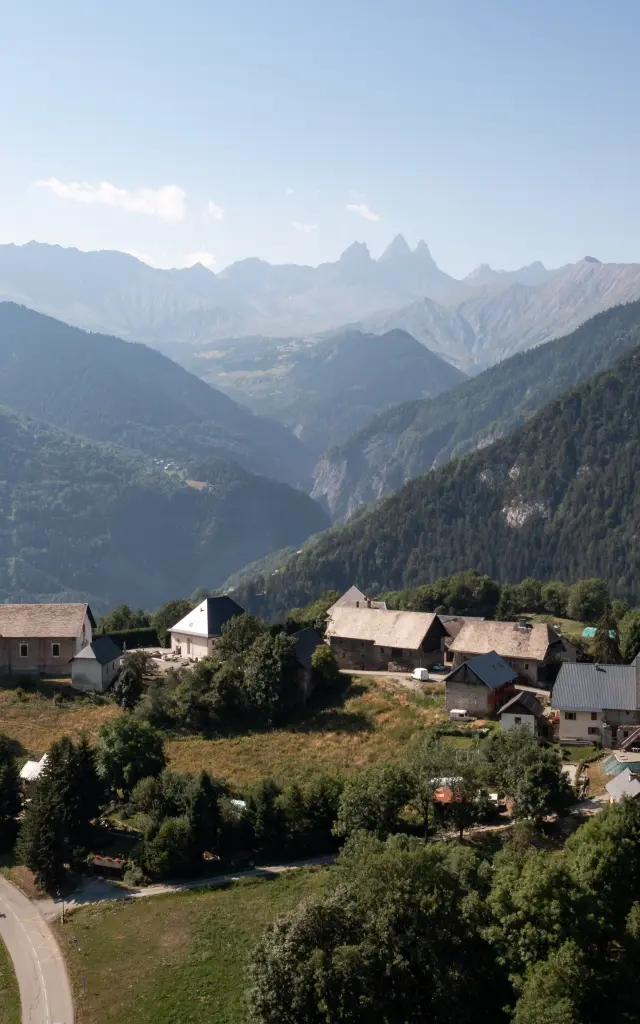
Before becoming a ski resort, La Toussuire was a plateau of mountain pastures home only to seasonal chalets. In the 1930s, there were around 54 of them, used by families who would come up in the summer with their herds, grow a few vegetables and head back down before winter.

The name ‘Toussuire’ is thought to derive from the local dialect word ‘Tochière’, the stick used by the elders to guide the animals.

The 1920s The Pioneers

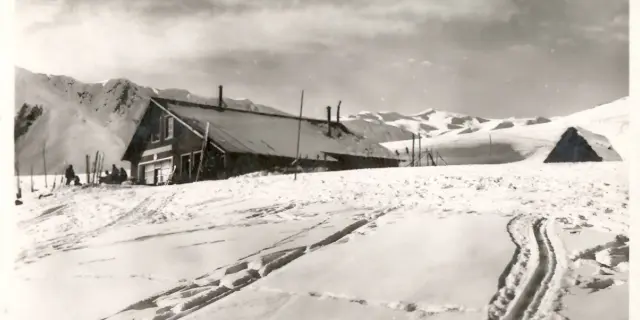
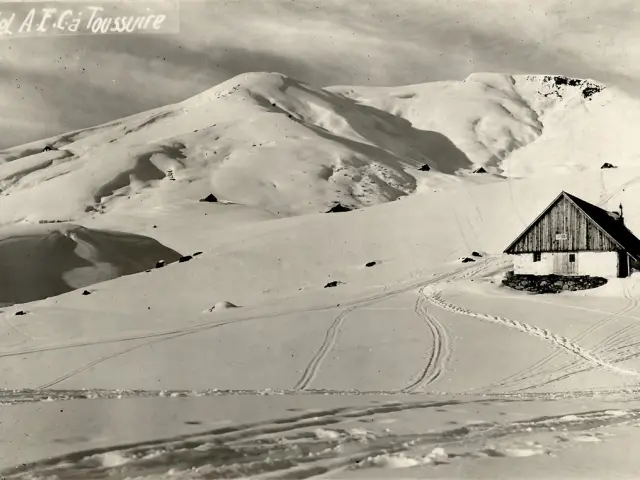
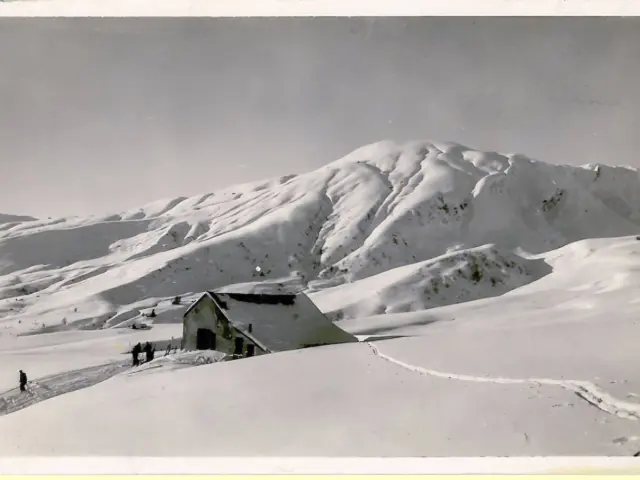
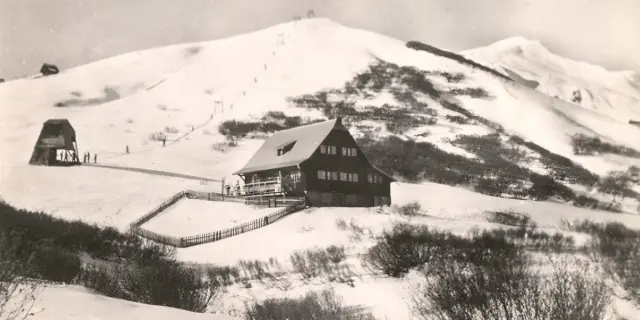
The history of tourism in La Toussuire began during the winter of 1925–1926 with the opening of the resort’s first mountain hut: the Chalet du Club Alpin Français (CAF). Situated on the site of what is now the restaurant Chez Marcel et Fonsine, this mountain hut quickly became a meeting place for the first mountain and skiing enthusiasts.

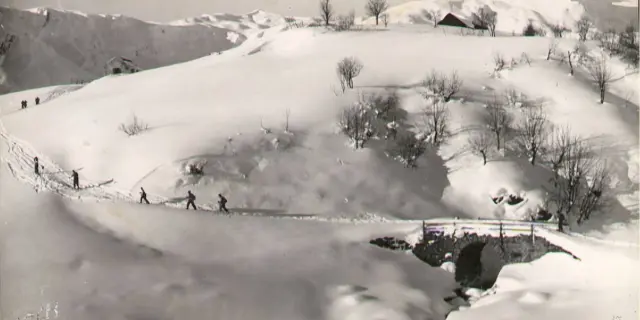
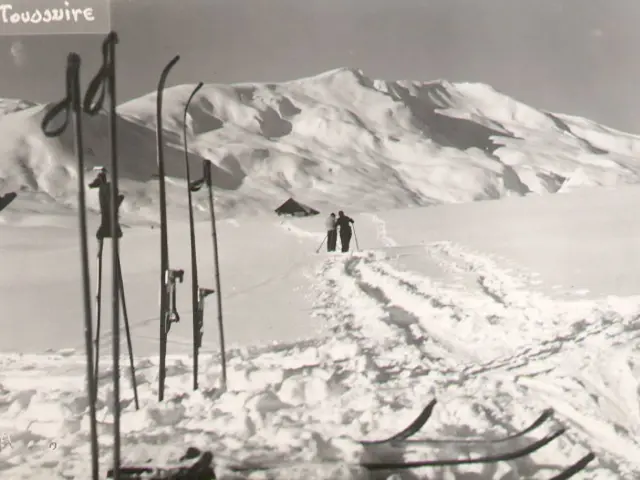
At that time, getting to La Toussuire was still something of an adventure. There were no roads leading to the plateau, and visitors had to make their way up from Fontcouverte, Les Anselmes or La Rochette along mule tracks, either on skis or carrying them on their shoulders. Access was hard-won, but the vast snow-covered expanses were already attracting enthusiasts.

In 1927, the French Alpine Club organised the resort’s first ski competition. This event marked the beginning of an activity that would gradually transform this high-altitude plateau into a recognised tourist destination.

La Toussuire thus entered a new chapter in its history, driven by a handful of pioneers who were convinced of the exceptional potential of its natural environment.

The 1930s The invention of the station

The 1930s marked the true beginnings of La Toussuire as a winter sports resort. In 1930, the road finally reached the village of La Rochette, gradually making access to the plateau easier and enabling the first coaches to serve the surrounding area.

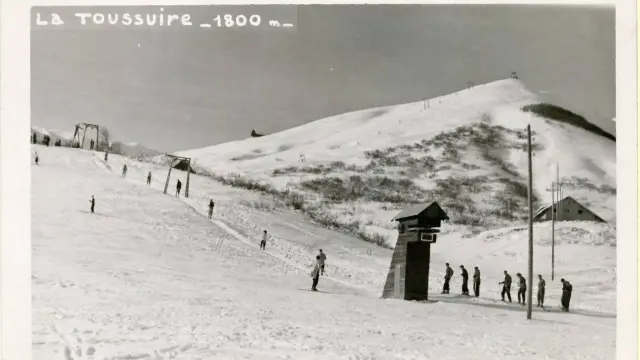
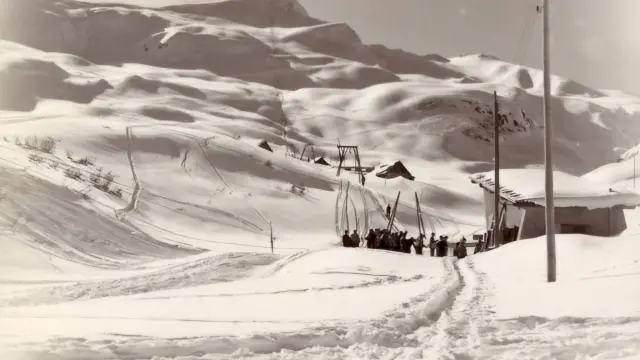
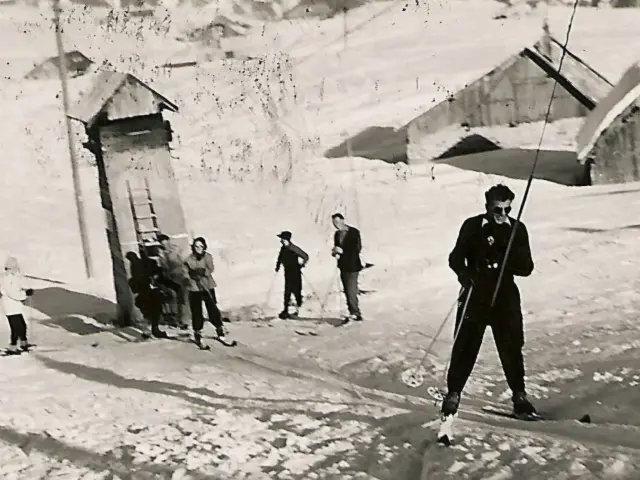
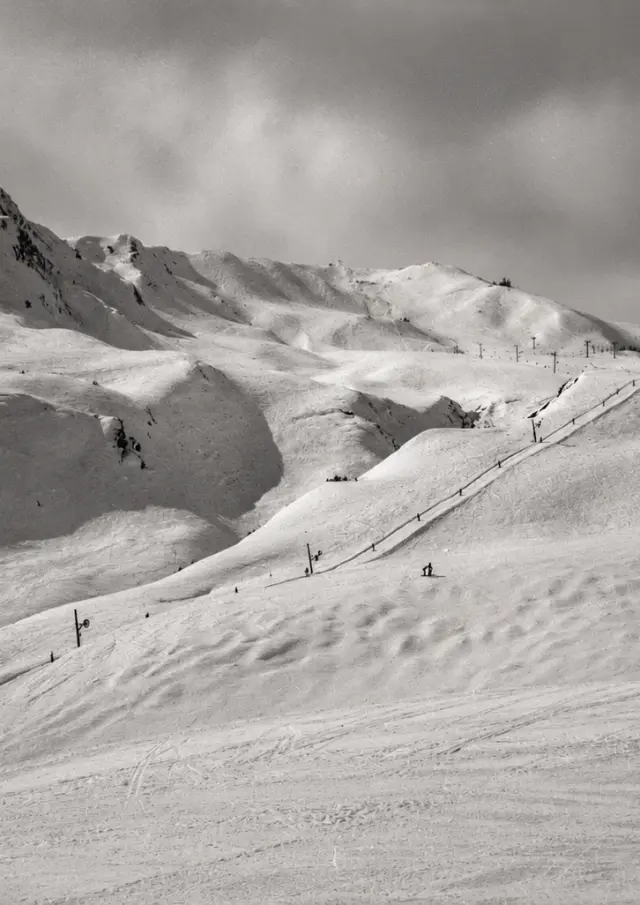
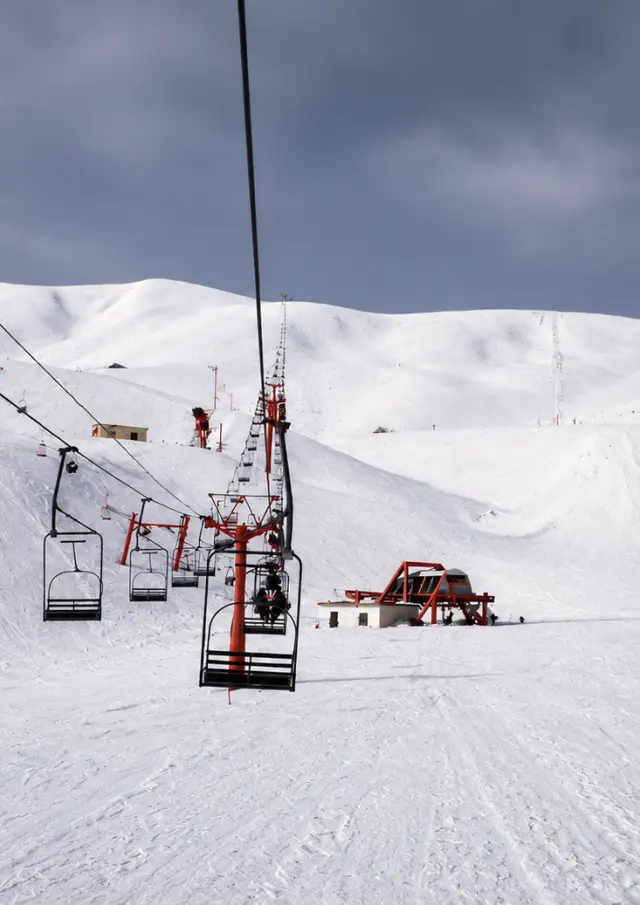
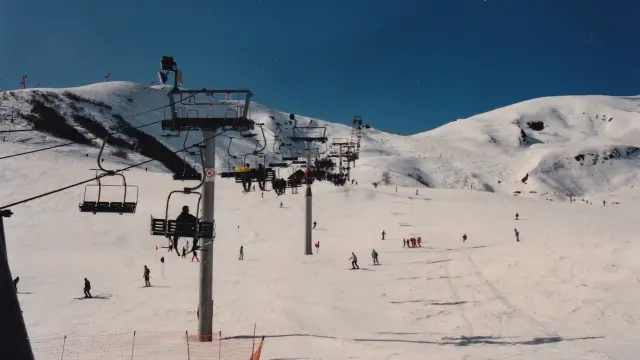
A few years later, in 1937, the Augert brothers made a major breakthrough with the construction of the resort’s first ski lift: the Comborcière ski lift. Entirely designed using the resources available at the time, the lift was powered by a petrol engine from a Ford lorry and supported by wooden pylons. This handcrafted creation bears witness to the daring and ingenuity of La Toussuire’s pioneers.

Despite this progress, access to the resort remained particularly difficult. Equipment, provisions and visitors’ luggage were transported from La Rochette along tracks barely passable by vehicles, using mules and sledges. During busy periods, the drivers made several trips a day to transport passengers and equipment up to the plateau, often in challenging conditions.

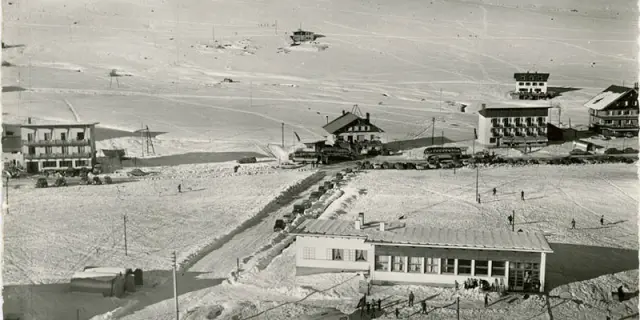
The first hotels began to spring up around this new enterprise, welcoming a clientele that was still small but increasingly loyal. The foundations of the resort were now in place, underpinned by the commitment of visionary families and mountain folk accustomed to overcoming the challenges posed by altitude and isolation.

TESTIMONIAL

That era also left many fond memories of a warm, friendly atmosphere. After a day’s work, it was not uncommon for the drivers to spend some time with the holidaymakers over an aperitif. When the evening went on a little too late, the innkeepers would settle the drivers into their sleighs, entrust the return journey to a mule, and find them the next morning back home, near their stables. A story that illustrates the warm and authentic spirit of La Toussuire’s early days.

Léon Collet

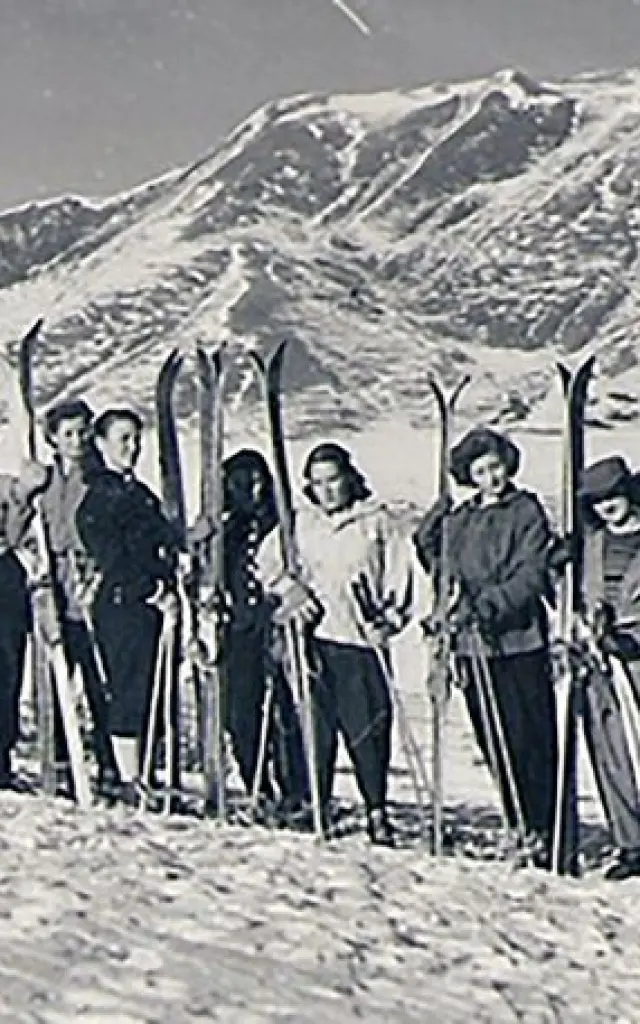
The 1940s Off to the slopes

Despite the difficulties associated with the Second World War, La Toussuire continued to develop. New accommodation was built and several alpine chalets were gradually converted to cater for holidaymakers. The right-hand side of the plateau also began to develop.

This decade was marked above all by the arrival of a key figure: Louis Buisson. A former member of the Resistance, a farmer and a young ski instructor, he was convinced that the resort’s development depended on the creation of new facilities tailored to skiers.

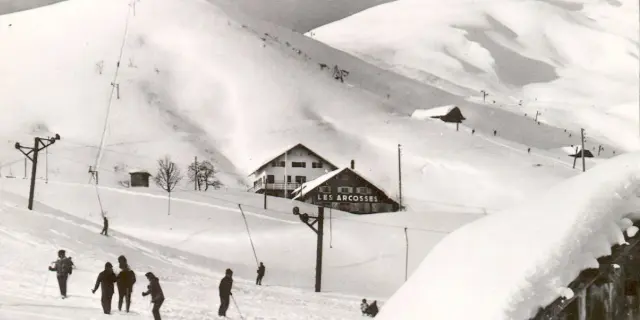
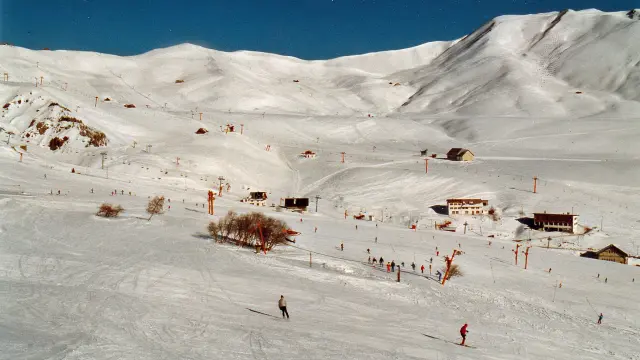
In 1947, he opened the Les Plans ski lift, nicknamed ‘la Savonnette ’. A few years later, he built the Grande Verdette ski lift, followed by the spectacular Grand Truc ski lift. These projects opened up new areas for skiing and helped usher La Toussuire into the era of large-scale skiing.

The arrival of a road suitable for motor vehicles leading up to the plateau in 1949 also marked a decisive milestone. Now more accessible, the resort could look forward to development on a larger scale.

The 1950s The golden age of hoteliers

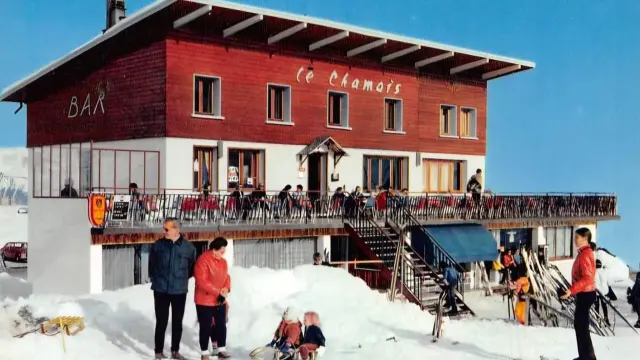
The ‘Trente Glorieuses’ provided a particularly favourable climate for mountain tourism. In La Toussuire, the 1950s saw the opening of numerous family-run hotels, which contributed to the resort’s growing reputation.

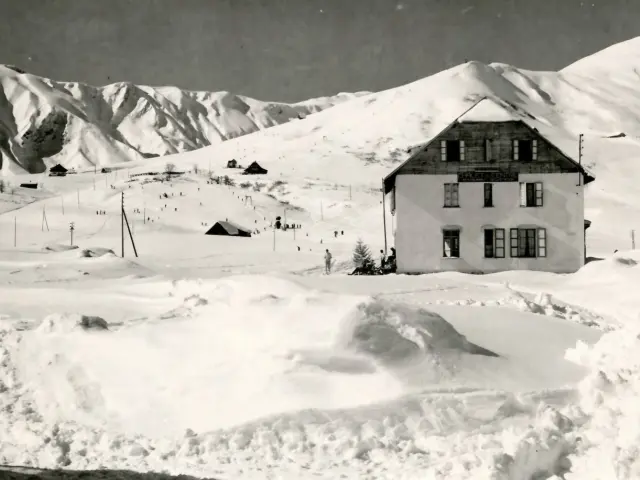
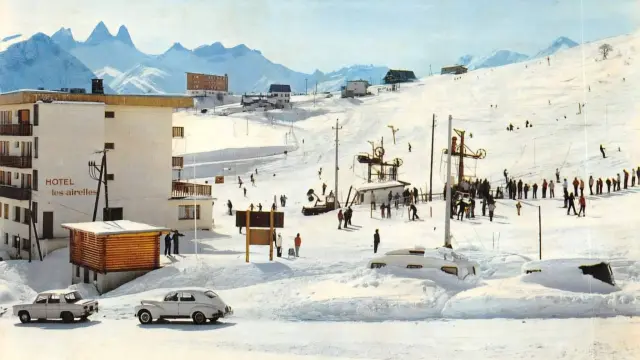
Establishments such as the Hôtel du Col, the Grand Truc, Beau Soleil, Les Alpes, La Verdette, Le Marolay and La Frégate welcomed the first holidaymakers who came to discover the joys of skiing. Behind each of these names were local families who invested passionately in this new venture.

The Hôtel de la Frégate perfectly embodies this pioneering spirit. Founded in 1950 by Louise and Léon Collet in a former alpine chalet, it quickly became a renowned establishment. Its extension in 1956 and the addition of en-suite rooms reflect a constant commitment to improving guests’ comfort.

By the end of the decade, La Toussuire had established itself as a thriving family resort with a substantial accommodation capacity.

The 1960s The resort is taking shape

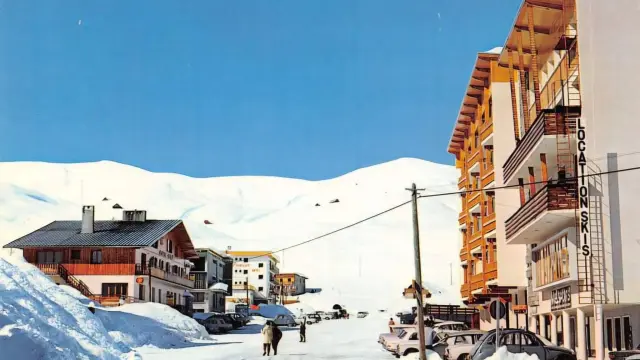
The 1960s marked a new phase in the development of La Toussuire. Tourism growth gathered pace with the construction of the first holiday homes, the opening of permanent shops and the arrival of new services aimed at holidaymakers.

Grocery shops, a bakery, sports shops, a bank, estate agents and transport services all helped to create a real resort centre. La Toussuire was no longer just a winter holiday destination: it gradually became a lively tourist village all year round.

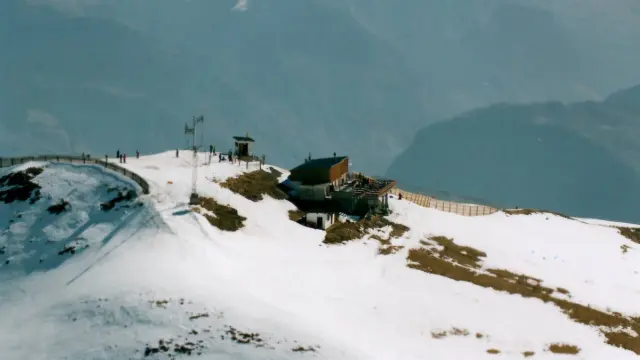
In 1964, Jeannot Lambert embarked on a daring project: to build a mountain restaurant at an altitude of over 2,200 metres on the Tête de Bellard.

After several years of construction work carried out under particularly difficult conditions, the Les Carlines restaurant opened its doors in the winter of 1966–1967. It went on to become one of the ski area’s most iconic venues.

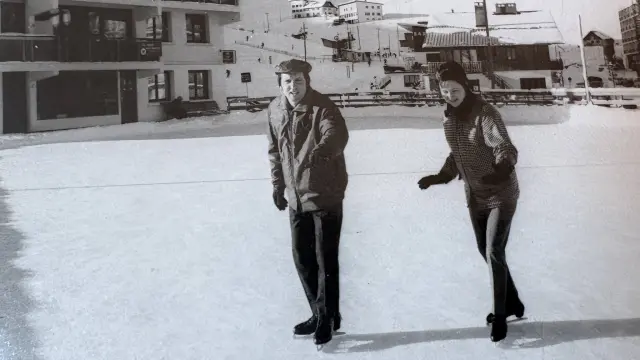
The creation of the natural ice rink in 1967 further enriched the range of leisure activities on offer and helped to bring the resort to life. La Toussuire then entered a phase of modernisation that paved the way for the major developments of the following decades.

By the end of the decade, La Toussuire had established itself as a fully-fledged winter sports resort, with rapidly expanding services, accommodation and facilities.

The 1970s The expansion of the estate

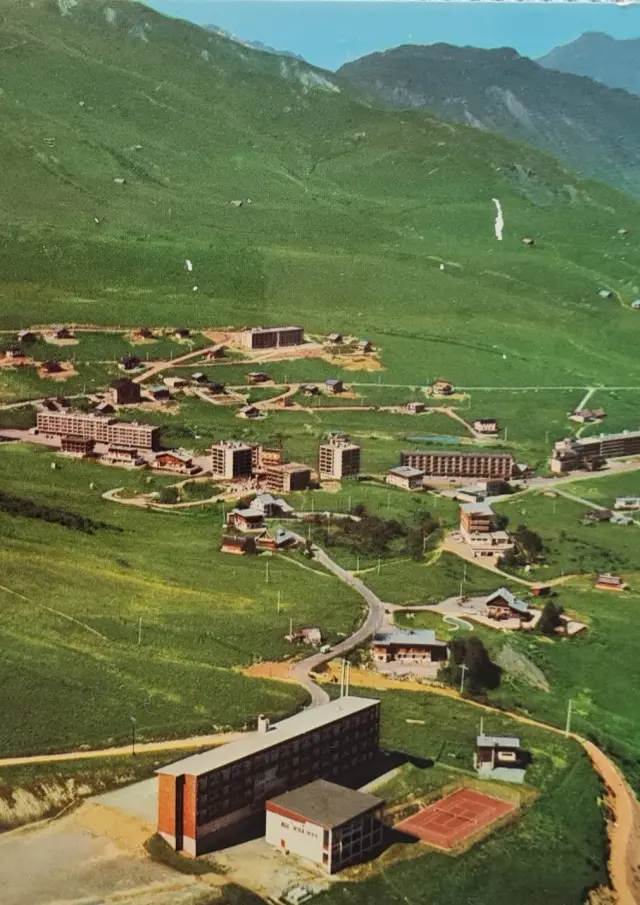
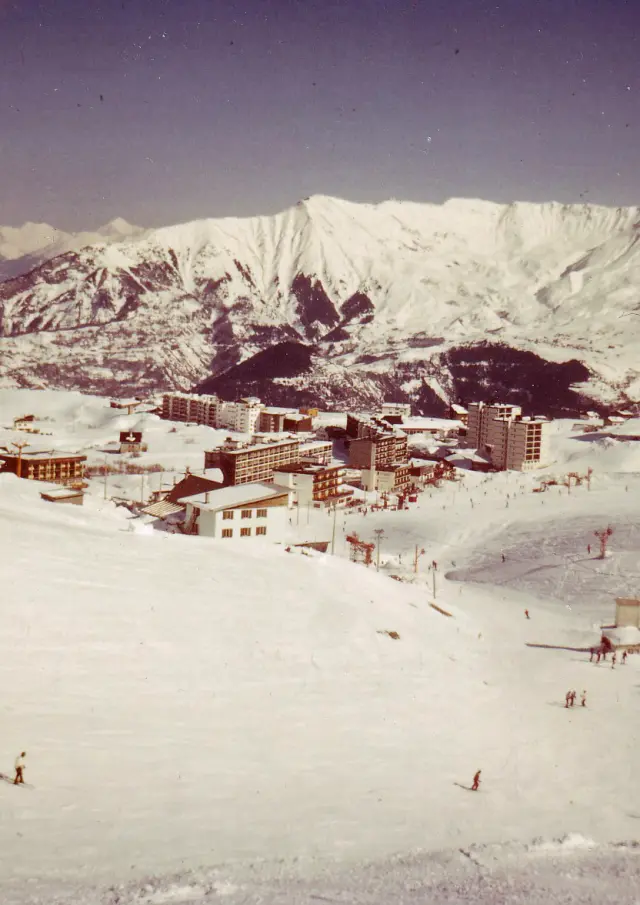
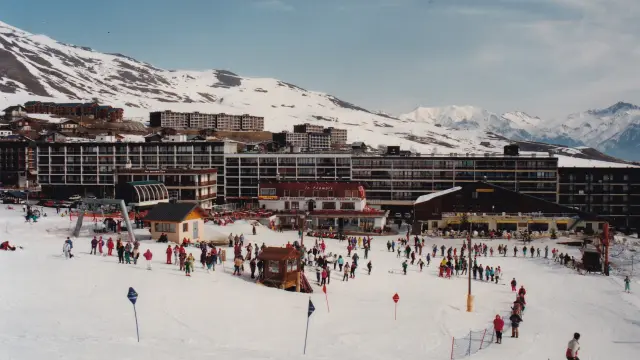
During the 1970s, La Toussuire entered a new phase of growth. Following the pioneering decades, the resort continued to expand, with the construction of new accommodation, improvements to visitor facilities and the development of the ski area.

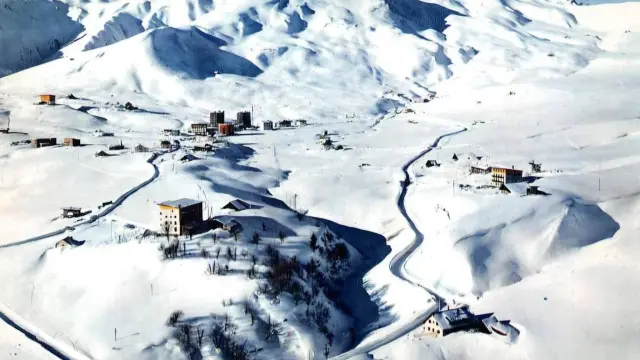
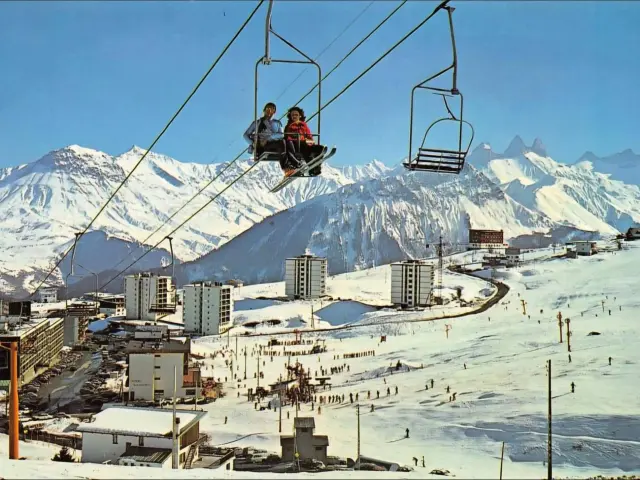
The range of accommodation continued to expand to meet the demands of a steadily growing number of visitors. The first residential complexes complemented the family-run hotels that had shaped the resort’s identity since the 1950s. This development went hand in hand with the growing popularity of winter sports and the arrival of a larger number of visitors.

The ski lifts are increasing in capacity, enabling new ski areas to be opened up. La Toussuire is gradually establishing itself as one of the leading resorts in the Maurienne Valley.

This decade also marked the emergence of a genuine resort community, where residents, seasonal workers and holidaymakers all took part together in a tourism experience that continued to grow.

The 1980s The station is changing its scale

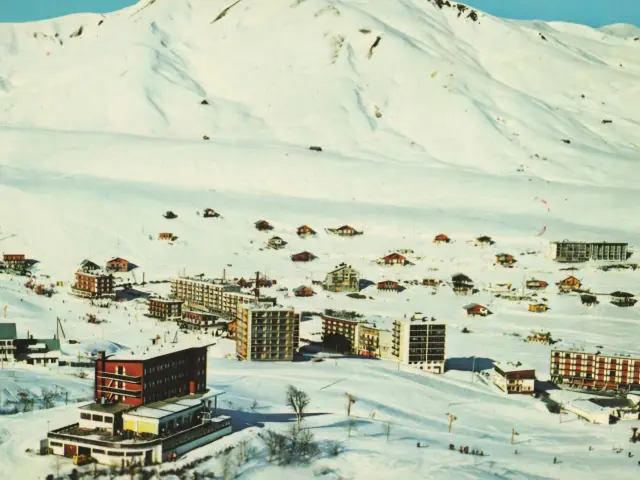
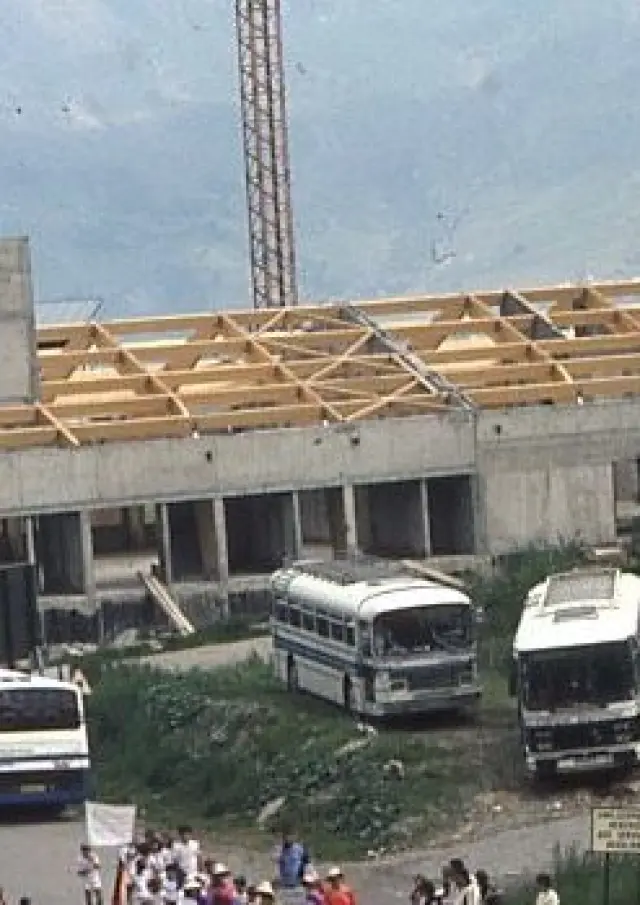
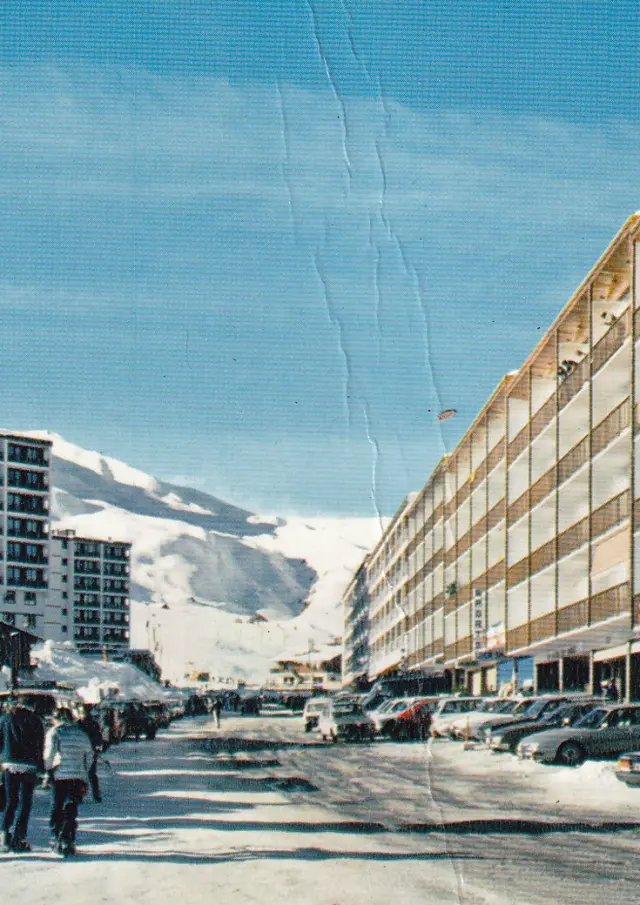
The 1980s were one of the most significant periods in the history of La Toussuire. The resort experienced sustained growth with the construction of numerous residential developments, the opening of new shops and the creation of key facilities.

The resort centre was organised around new services: a tourist information centre, a cinema, ski lift offices, specialist shops, estate agents and sports shops all contributed to the plateau’s growth as a tourist destination. The range of accommodation on offer diversified, enabling the resort to welcome an ever-wider audience.

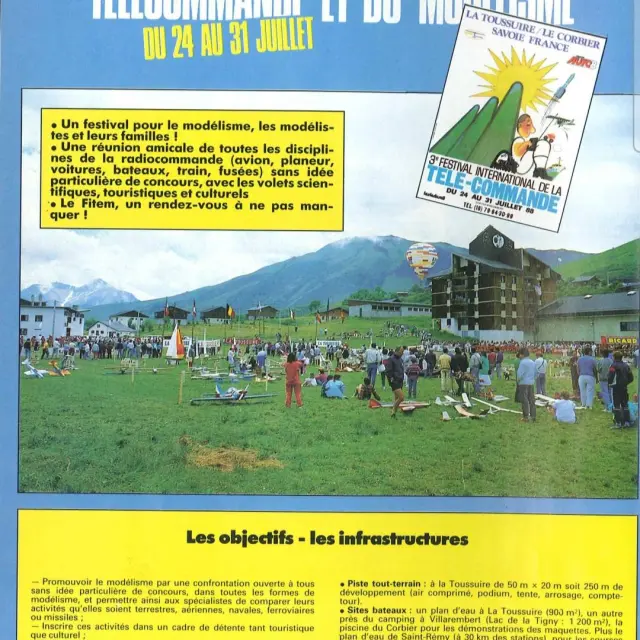
At the same time, La Toussuire is developing a comprehensive programme of events. In winter, sporting competitions, parallel slaloms, demonstrations and major events punctuate the season. In summer, activities abound, with sports tournaments, hikes, family-friendly events and original initiatives that contribute to the resort’s reputation.

This momentum culminated in the creation of the first ski link between La Toussuire and Le Corbier: the ‘Grand Large’ ski area was born, offering skiers a unique playground. This major milestone was already paving the way for the Sybelles adventure, which would take shape a few years later.

The 1990s The resort spirit

In the 1990s, La Toussuire continued to develop whilst retaining its friendly, family-oriented atmosphere. New residential complexes and numerous private chalets enriched the resort’s landscape, whilst the long-established shops continued to bring the centre to life.

This decade was, above all, defined by resort life. Bars, restaurants, hotels and social venues became essential meeting places where locals, seasonal workers and holidaymakers gathered. A warm and festive atmosphere helped to shape La Toussuire’s identity and create lasting memories for an entire generation.

The 1990s also marked a major milestone in the development of skiing in the region. In 1991, the introduction of a shuttle service between Saint-Sorlin-d’Arves and Saint-Jean-d’Arves, providing access to Le Corbier and La Toussuire, facilitated the expansion of the ski area thanks to the ‘Super Grand Large’ ski pass. This development was one of the first steps towards the creation of a large, interconnected ski area.

Among the iconic establishments of this period were the Boule de Neige, the Fillmore and the Christiania, all of which contributed to the village’s thriving tourist scene.

Beyond the infrastructure, it is above all the men and women of the resort who shape its development. Accommodation providers, shopkeepers, ski instructors, piste officers, ski lift operators and volunteers from local organisations all contribute together to bringing La Toussuire to life and enhancing its appeal.

The 2000s The Sybelles Adventure

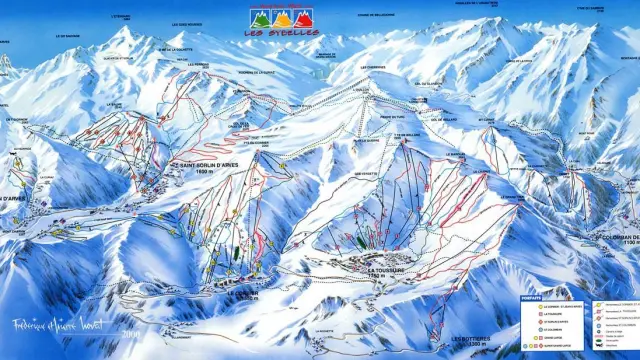
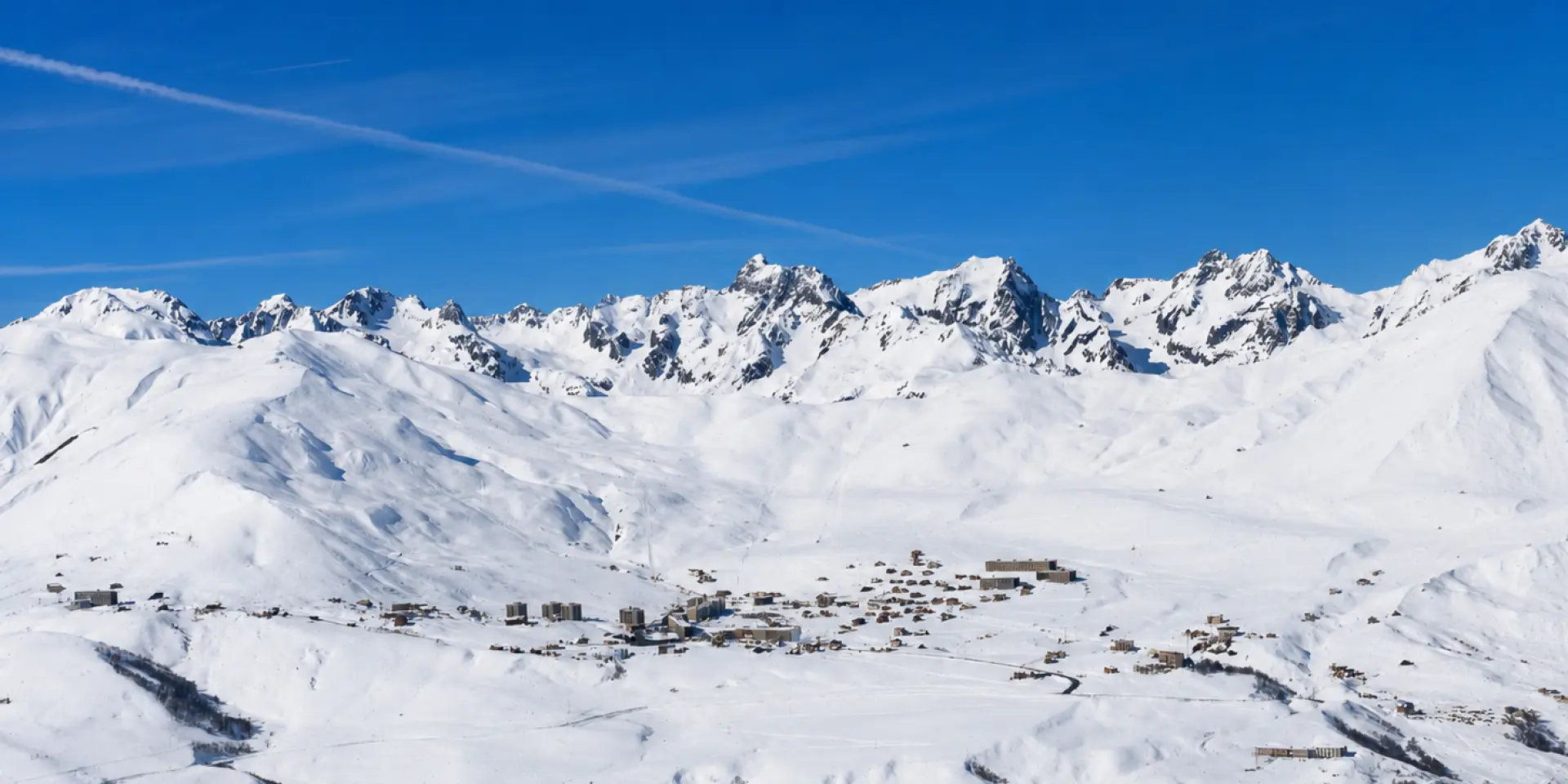
The start of the 21st century marked a new chapter in the history of La Toussuire with the creation of the Sybelles ski area. The result of several decades of cooperation between the valley’s resorts, this ambitious project is gradually linkingLa Toussuire with its neighbouring resorts to form one of the largest ski areas in France.
This new scale has been accompanied by significant investment. The ski lifts have been modernised, connections between the resorts have been improved, and tourist facilities continue to evolve to meet the expectations of an increasingly diverse clientele.

The development of the ski area is also helping to boost summer activities. Hiking, sporting events and family entertainment now complement the winter offering and contribute to the region’s appeal all year round.

Whilst entering a new era, La Toussuire retains the spirit that has made it so successful: that of a resort born out of the commitment of generations of pioneers, families and mountain enthusiasts who have helped shape its history.

Since 2010 Between modernity and heritage

Since the 2010s, La Toussuire has continued to modernise whilst promoting its heritage and identity. New accommodation, improved facilities and a growing focus on visitor hospitality enable the resort to remain attractive in an ever-changing tourism landscape.

The Sybelles ski area continues to expand, offering an ever-richer skiing experience whilst strengthening the ties between the partner resorts.

At the same time, numerous initiatives are helping to preserve the memory of those who built La Toussuire. Testimonies, photographs and stories passed down from generation to generation serve as a reminder that, behind the infrastructure and the landscapes, lies above all an exceptional human adventure.

Almost a century after the opening of the first refuge of the French Alpine Club, La Toussuire continues to write its history, remaining true to its spirit of conviviality, innovation and love of the mountains.

As it approaches its 90th anniversary, to be celebrated in 2027, the resort looks back with pride on the journey it has undertaken since its inception. This anniversary will provide an opportunity to honour the men and women who have shaped its development and to pass on to future generations the legacy of a collective adventure that began in 1937.