©

OTTOUSSUIRE

Between history and the mountains 

along the paths of La Rochette

La Rochette

Ajouter aux favoris

At the foot of the 3 Croix, discover a well-preserved heritage that blends tradition with unique panoramic views. From the bread oven to the historic chapel, these lively hamlets offer a peaceful setting just a stone’s throw from the slopes.

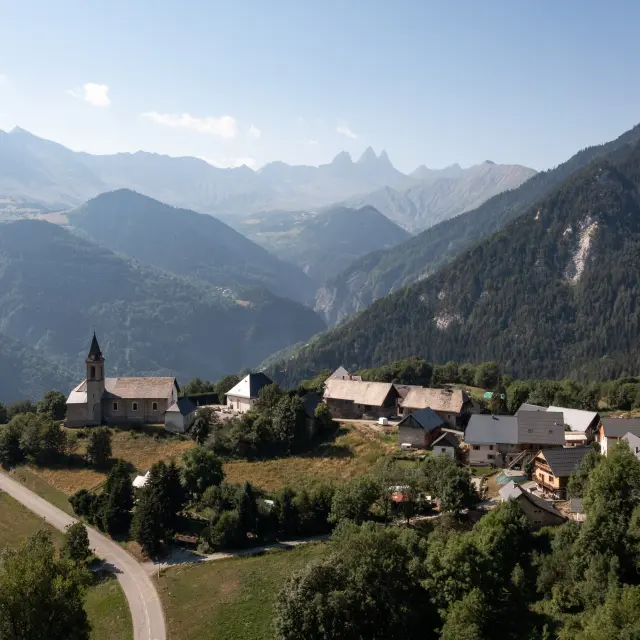
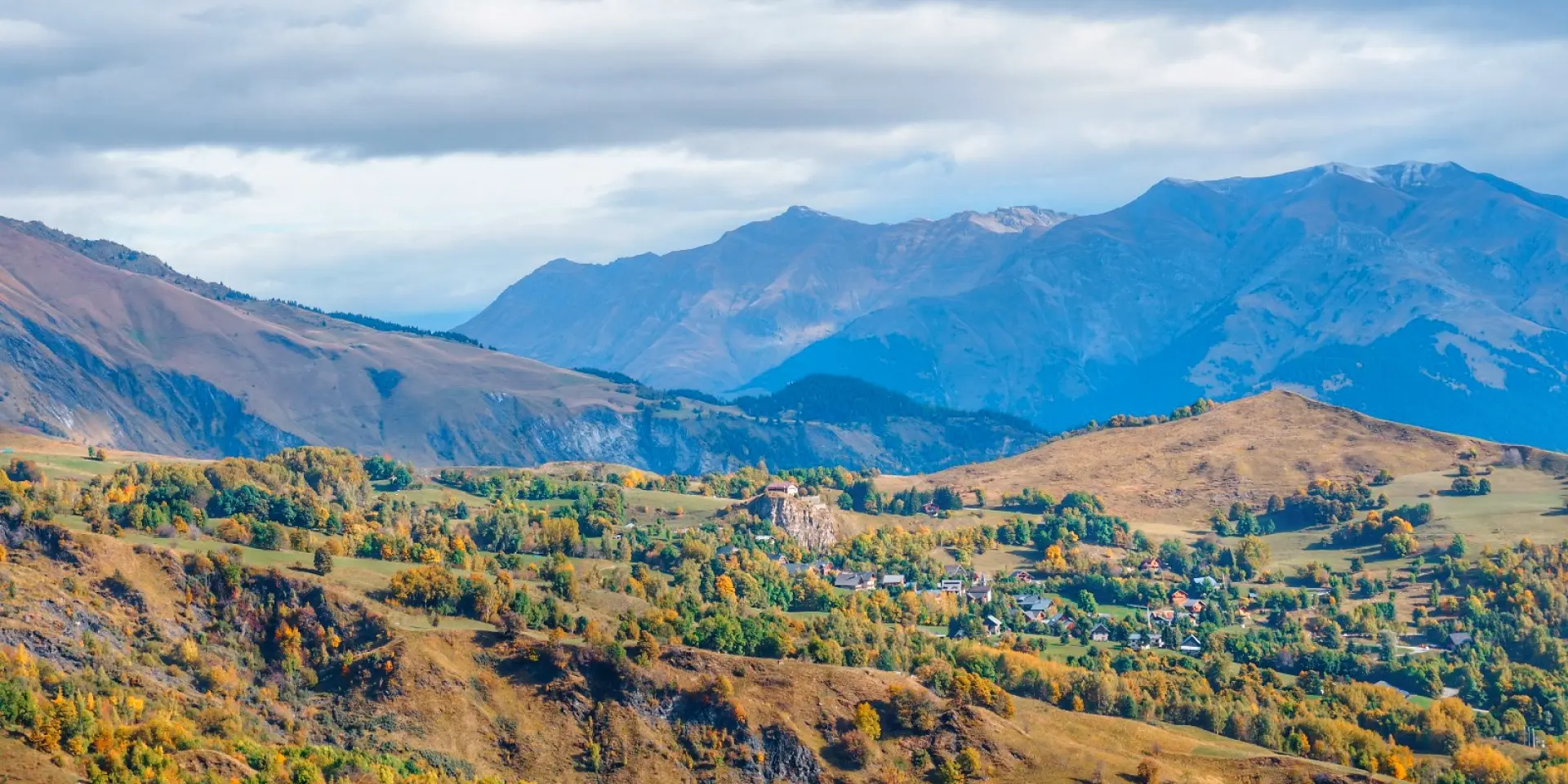
La Rochette, on the outskirts of La Toussuire

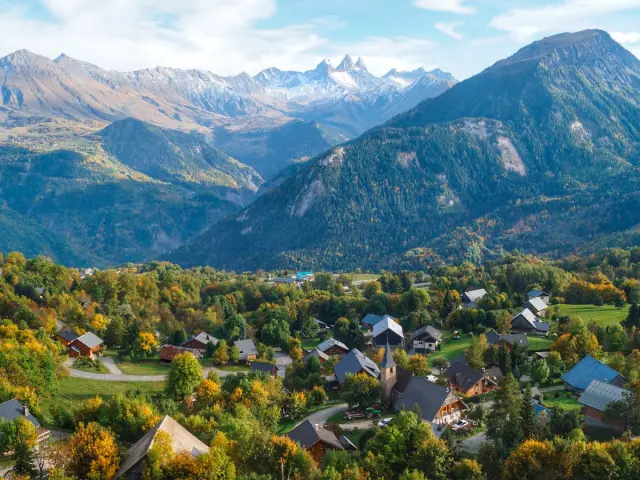
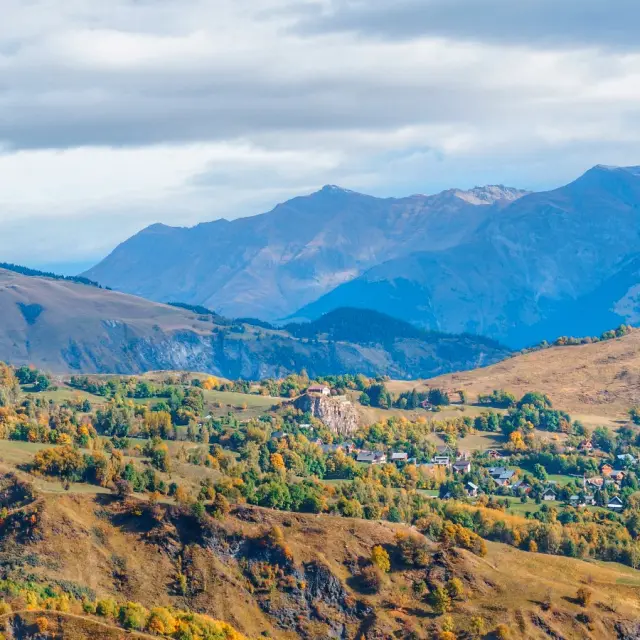
As the last hamlet in the area before reaching the resort of La Toussuire, La Rochette offers a real insight into the history and traditional mountain architecture. Linked to the resort by a road built in 1951, this hamlet was for a long time a community in its own right, shaped by the seasons, farming activities and village life.

Even today, La Rochette retains many reminders of its past: traditional houses, a chapel, an old bread oven… all traces that tell the story of its inhabitants and the area’s development.
A hamlet that’s bustling all year round

Long before the resort was developed, La Rochette was a thriving community. The hamlet even had a primary school, evidence of a year-round population and a local community that was once particularly vibrant.

Today, La Rochette remains one of the area’s main year-round residential areas. Far from being merely a relic of the past, the hamlet remains a vibrant neighbourhood, where its heritage is a natural part of the residents’ daily lives.

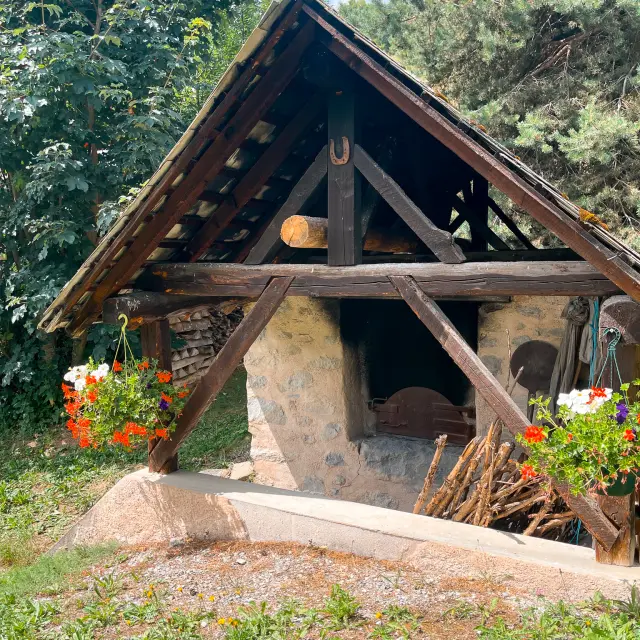
The traditional bread oven, which still stands, serves as a reminder of the communal practices that were once part of village life. Such facilities served not only as places of production but also as meeting places, and played a full part in the social life of the hamlet.

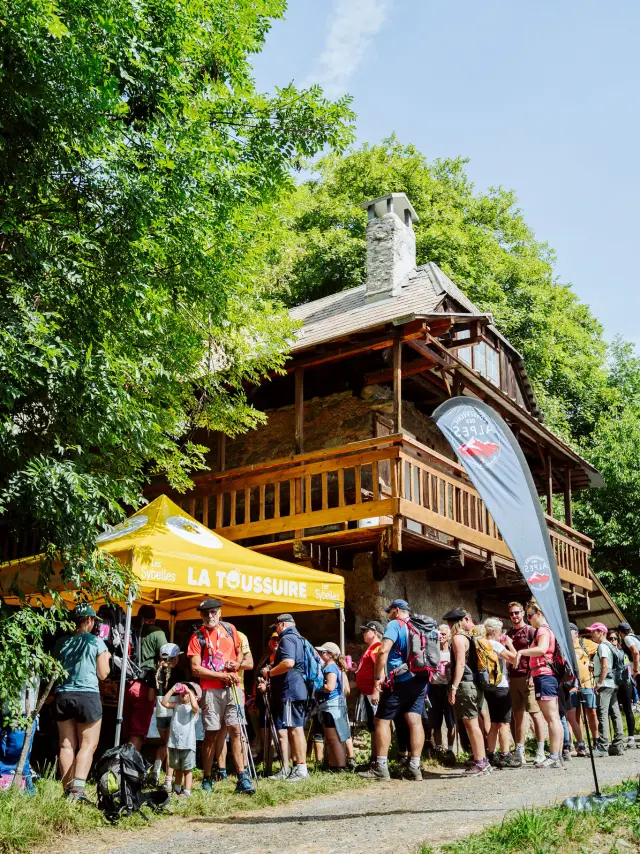
The Hôtel de la Roche at the start of the season

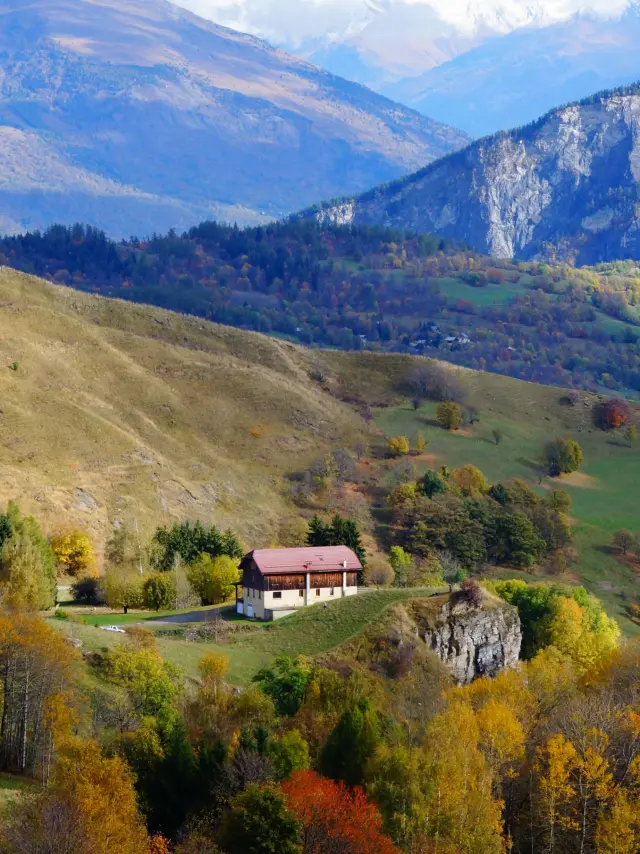
Overlooking the hamlet, the Hôtel de la Roche holds a special place in the history of tourism in La Toussuire. Regarded as the resort’s first historic hotel, it bears witness to the very earliest days of tourism on the plateau.

Before the ski lifts, the ski area and the infrastructure that would gradually transform La Toussuire, a few establishments were already welcoming the first visitors who had come to discover the mountains and enjoy the wide open spaces.

With its prime location and views of the surrounding peaks, the Hôtel de la Roche thus played a part in La Toussuire’s early days as a tourist destination.

Its history serves as a reminder that the resort was not built in a day: it developed gradually, starting from an inhabited mountainous area, then through these early accommodation establishments that enabled visitors to explore the plateau.

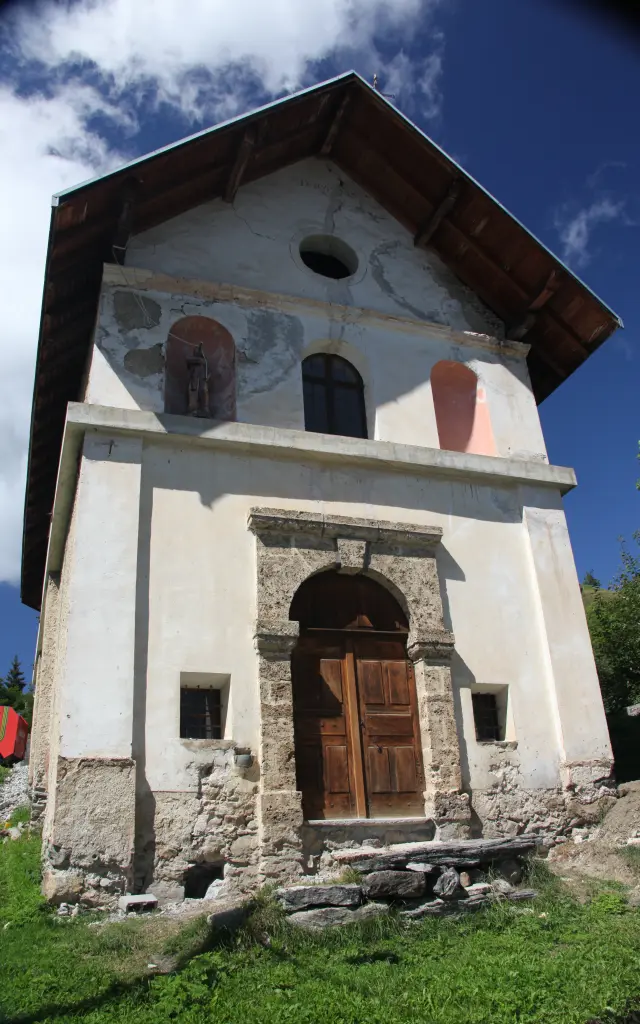
The Saint-Roch Chapel a story of perseverance

At the heart of the hamlet, the complex comprising the Saint-Roch Chapel and the houses surrounding it is a remarkable example of traditional mountain town planning.

Its history also tells the story of the inhabitants of La Rochette, who for several centuries faced the challenges posed by the terrain and were determined to preserve their place of worship.

 The first chapel, built in 1600

The first chapel was built in 1600 and dedicated to Saint Roch. As it was in a fragile condition, it was completely rebuilt in 1661, this time at the top of the village.

However, the unstable ground soon put the building under severe strain.

 When the mountain reclaims its place

Between 1787 and 1789, major works were undertaken in an attempt to preserve the chapel. In particular, external buttresses were erected to reinforce the walls.

Despite these efforts, landslides continued to weaken the building. Within less than sixty years, the chapel was once again threatened with ruin.

 A new chapel, thanks to the community spirit of the local residents

Faced with this situation, the hamlet’s residents did not give up. They joined forces and funded the construction of a new building themselves, this time on more stable ground.

After more than five years of building work, the new chapel was finally inaugurated on 20 October 1851.

More than just a religious building, the Chapel of Saint-Roch has thus become a symbol of the tenacity and solidarity of the inhabitants of La Rochette, who, generation after generation, have managed to preserve this place despite the challenges posed by the mountains.

L’Alpettaz, an unspoilt haven

From La Rochette, the road continues towards a more secluded hamlet: L’Alpettaz. Tucked away on the edge of the municipality of Saint-Pancrace, this little hamlet offers a peaceful way of life, sheltered from the hustle and bustle of the resort and steeped in the charm of mountain villages of yesteryear.

Here, time seems to pass differently. The traditional houses, the open landscapes and the tranquillity that reigns around the hamlet invite you to discover another side to the area – one that is more secluded and authentic.

As in La Rochette, an old bread oven bears witness to the community life of days gone by. These ovens once played an important role in villages: they allowed residents to gather around a shared facility and set the rhythm of daily life in the hamlet.

In fine weather, L’Alpettaz also becomes an ideal starting point for walks through the mountain pastures. The footpaths leading up from the hamlet allow visitors to explore the pastoral landscapes and wide-open spaces surrounding La Toussuire.

Two hamlets, a shared heritage

La Rochette and L’Alpettaz form a whole that is closely linked to the history and landscapes of La Toussuire. Set apart from the hustle and bustle of the resort, these two hamlets bear witness to a region once shaped by pastoral life, agriculture and village traditions.

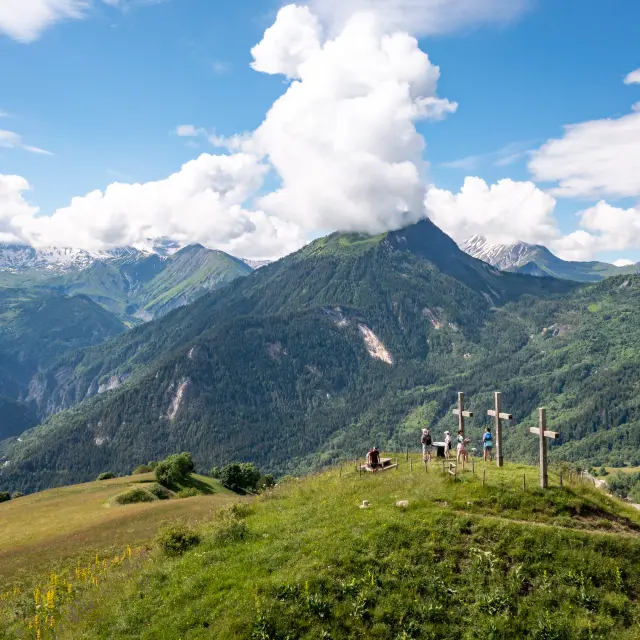
Together, they overlook the summit of the Trois Croix, a prominent landmark in the landscape and an iconic feature of the area. With their architectural heritage, alpine paths and mountain panoramas, La Rochette and L’Alpettaz thus offer a fascinating insight into the history of La Toussuire, from its rural roots to its development as a tourist destination.