Pexels Mark McMillan 64837810 8234534
©

Pexels Mark McMillan 64837810 8234534

Let’s try to understand them better 

to get to know them better

What is a Patou, and how should you react if you encounter one in the mountains?

Ajouter aux favoris

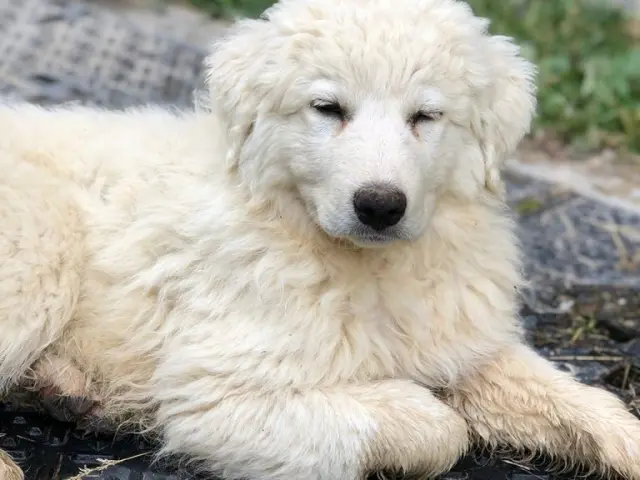
The Pyrenean Mountain Dog, more commonly known as the ‘Patou’, is the symbol of our mountains, easily recognisable by its massive build and white coat. But what is it really? What is its history? And, above all, how should you behave when you come across a Patou whilst out hiking?

Let’s start with a bit of history

What is the origin  of the word ‘Patou’?

There are two possible origins of the word ‘Patou’: either the Old French ‘pastre’ or the Occitan ‘pastor’, both of which mean‘shepherd’.

The earliest record we have of the Patou dates back tothe Middle Ages. This iconic breed of the Pyrenees has been guarding flocks for centuries. It was from the 17th century onwards that the breed’s reputation rose to new heights, thanks to one woman:Madame de Maintenon,Louis XIV’s second wife. Whilst visiting the Pyrenees, the queen fell under the spell of the Patou. She also decided to bring these dogs back to the King’s court, and he subsequently chose the Patou as theroyal dog. 

 The Decline of the Patou

However, the Patou – a dog that had been an indispensable asset in the face of numerous predators, including wolves, lynx, bears, foxes and birds of prey, for many years –cameveryclose to becoming extinctfrom 1850 onwards.

The cause? The opening up of the mountains to forest roads and the construction of dams. The modernisation of sheep farming in sheepfolds, as well as the numerous large-scale hunts organised to cull predators – particularly the wolf – meant that there was no longer any need to protect the flocks.

The number of Patou, a herding dog,plummeted.

 A return to the 1960s

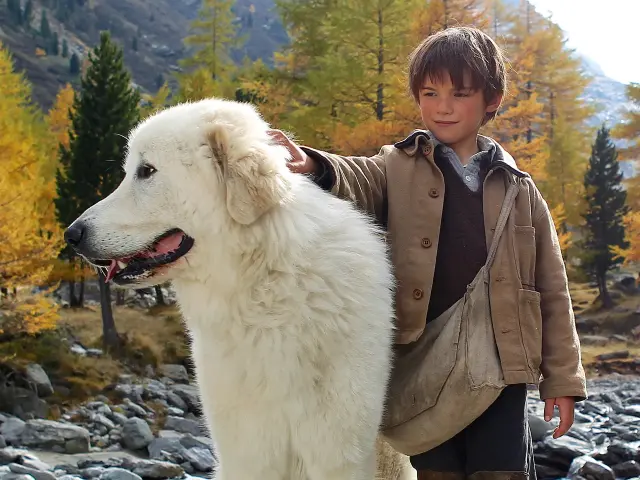
It wasn’t until the famous TV series‘Belle and Sébastien’in the 1960s that the general public rediscovered thePatou.
Its image as a gentle, brave and loyaldog lefta lasting impression.
Since then, with the return of sheep to the mountains and the reintroduction of the wolf, the Patou has fully regained its role asa herd protection dogin the French mountains.
THE ROLE OF THE PATOU

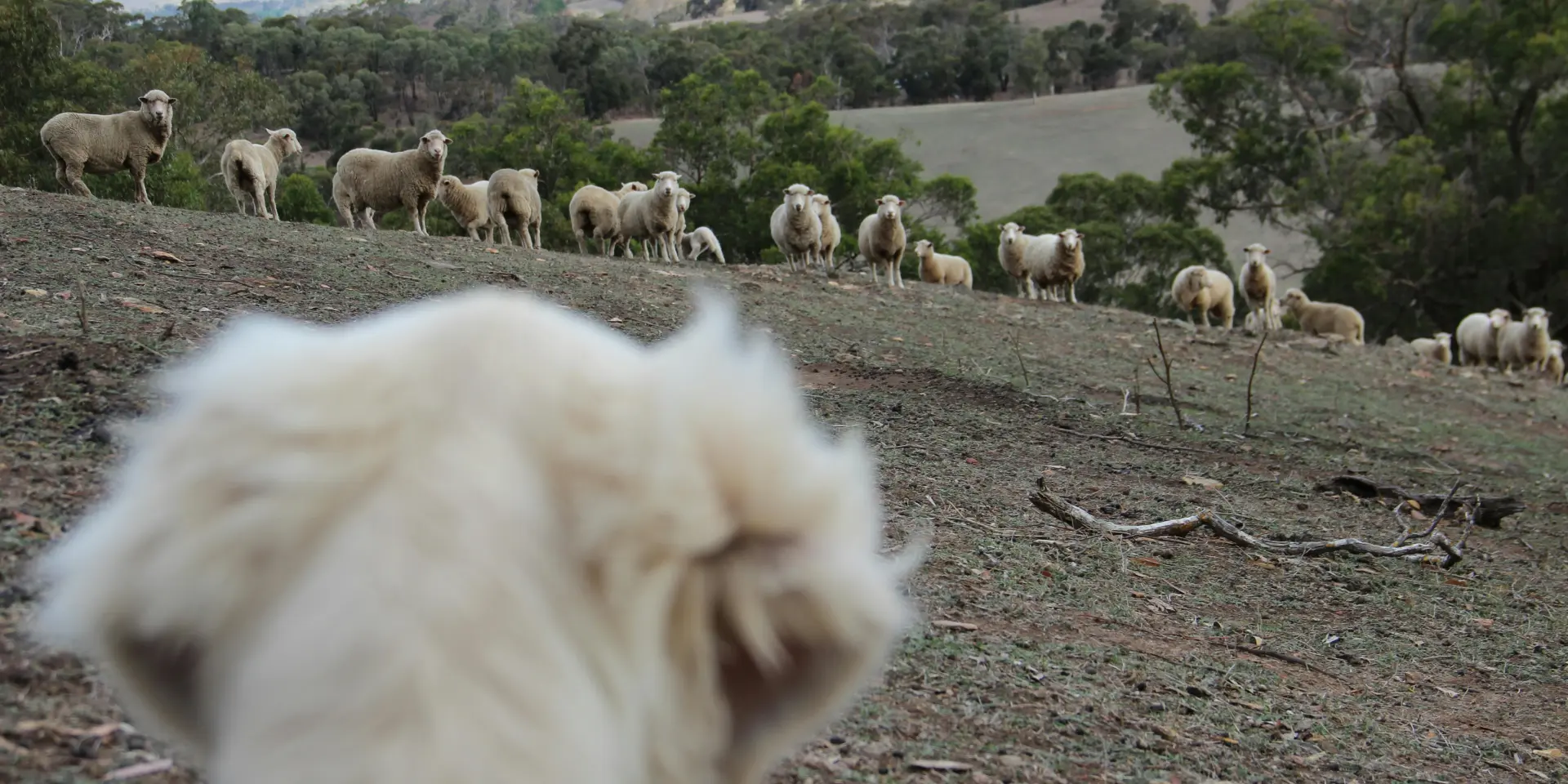
Contrary to popular belief, the Patou does not simply bark to scare off intruders; its role runs much deeper than that:

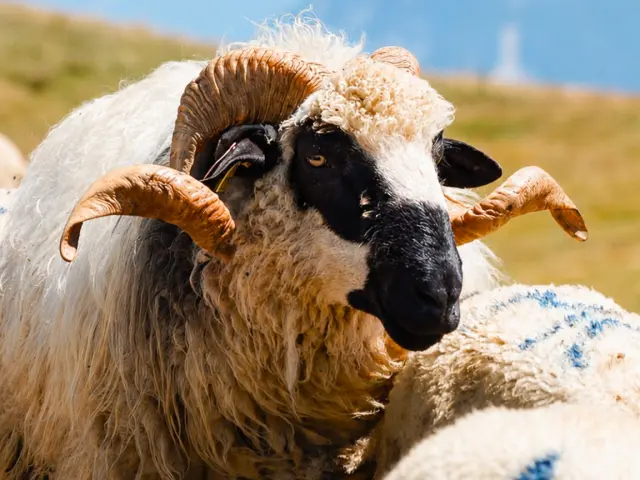
  • It lives constantly with the flock, born and dying by its side.
  • It protects, cares for, gathers and flags up any sheep that have strayed or are injured.
  • It grooms the sheep, particularly their eyes and ears.
  • It acts independently, without waiting for direct orders from the shepherd.

HIKERS: HOW TO BEHAVE WHEN ENCOUNTERING A PATOU

ThePyrenean Mountain Dogis not a pet. It istrained to protect, not to play or be stroked. ThePatou is not aggressive by nature, but it may actas a deterrent ifyou pose a threat to the herd.

BAD PRACTICES
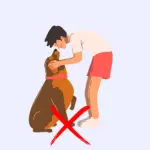
To stroke him
Feeding him
to get closer to take a photograph of him
To threaten him
To look him in the eye
To shout
BEST PRACTICES
Stop here
Stay calmScreenshot 28 May 2025 101937
Give him time to recognise you
Stand sideways so that he doesn’t feel confronted
Talk to him
Move away gently

CONCLUSION

The Patou is as much a part of the mountains as the trails, the peaks and the sheep. By getting to know him better, we learn to hike with him, rather than against him.

To prepare for your next hike with complete peace of mind, do take a look at our page oftips for walkers— everything you need to enjoy a wonderful time in the great outdoors, withtotal peace of mind!