©

Zungle

How to have a successful trail run 

It’s all coming together!

How to prepare properly for a trail run

Ajouter aux favoris

Preparing for your trail run: kit, weather, tips before and during the race. Our tips for staying safe whilst running in the mountains.

Getting ready to make the most of it

Trail running is a demanding sport practised in the great outdoors, often in mid- or high-altitude mountain terrain. Whether you’re just starting out or looking to improve, you’ll need to be well prepared: choosing the right kit, checking the weather forecast, familiarising yourself with the route and staying alert whilst running.

Here are all our tips to help you enjoy your trail run in the best possible conditions.

Making the right choice his trail running kit

The right kit makes all the difference, especially at high altitudes where conditions can change rapidly.

Essential items to have:

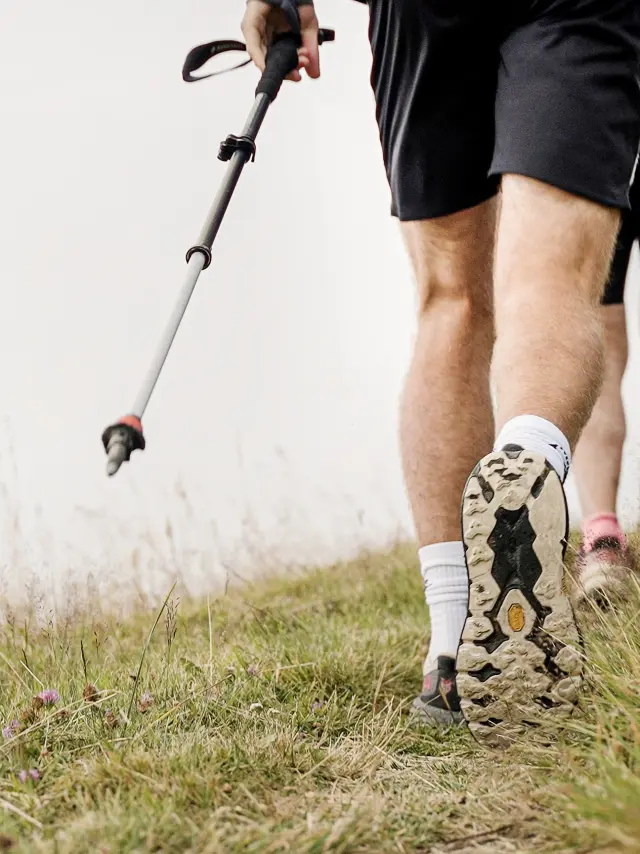
  • Trail running shoes: lugged soles, good ankle support, suitable for uneven terrain
  • A lightweight, well-fittingtrail running rucksack (or hydration pack)
  • Technical clothing: breathable T-shirt, windproof and waterproof jacket, technical tights or shorts
  • Water and food: water bottle or hydration bladder, energy bars, dried fruit
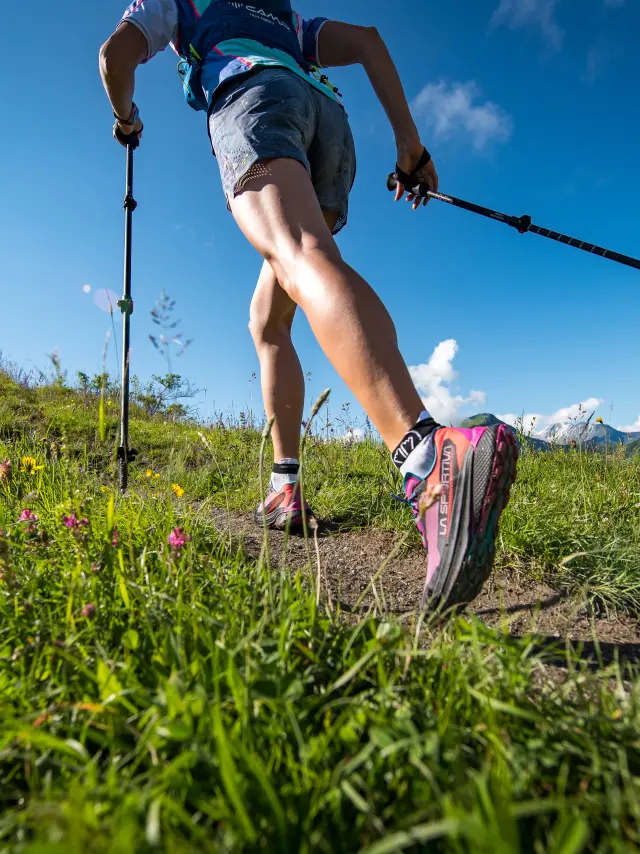
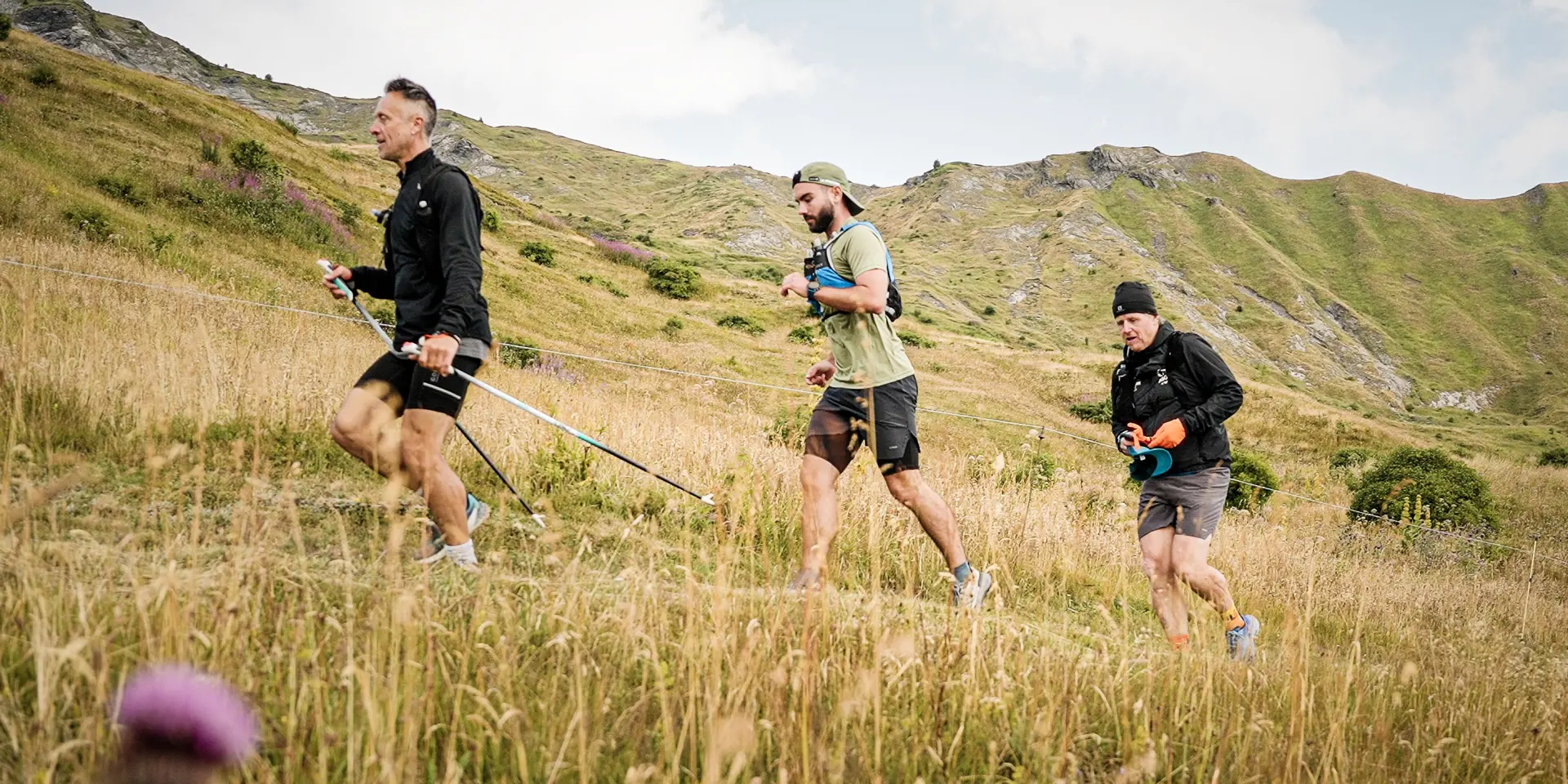
  • Trail running poles (recommended depending on elevation gain and ability)
  • Cap or buff, sunglasses, sun cream
  • Fully charged mobile phone with the route downloaded (GPS, offline map)

At high altitudes, also remember to bring:

  • A windbreaker
  • A head torch if you’re planning to return at the end of the day

Tips before you set off

 Prepare your itinerary

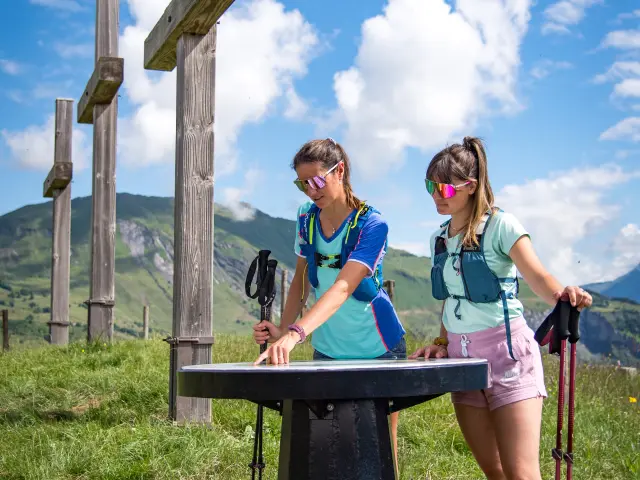
Before setting off, take the time to choose a route suited to your ability, taking into account the distance and both the ascent and descent. Also check the condition of the trail: lingering snow, rockfalls or roadworks may alter your original route. Remember to download the GPX track for your route or take a paper map with you, and identify the water supply points along the route in advance.

 Let someone know when you’re going out

Let a friend or family member know your route and your expected time of return. This simple but vital precaution is essential if you are travelling alone: it ensures that the authorities can be alerted quickly should any problems arise.

 Warm up

A few minutes of dynamic warm-up before you start is enough to prepare your muscles and joints, and significantly reduces the risk of injury once you’re on the pitch.

 Make sure you eat and stay hydrated beforehand

Have a light, easily digestible meal before exercising, and make sure you’re well hydrated before you set off: the reserves you build up before you start make a real difference to how long you can keep going.

Good habits to follow whilst out and about

 Managing your effort

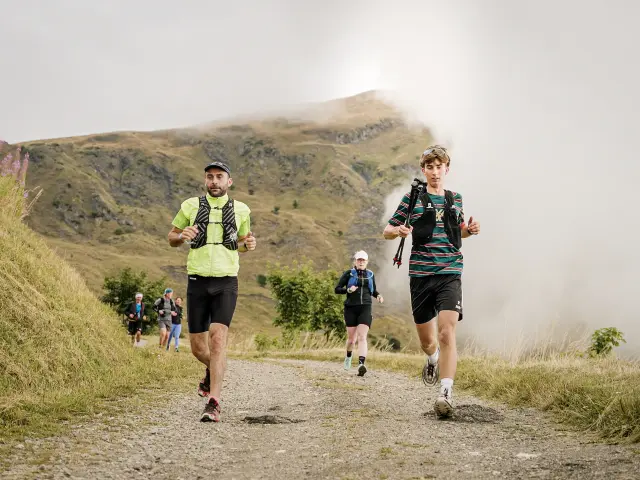
Maintain a steady pace, especially on uphill sections, and don’t hesitate to walk on steep slopes to conserve energy: even experienced runners do this. Also remember to adjust your pace to the altitude, where the air is thinner and exertion is more taxing than at sea level.

 Stay hydrated and eat regularly

Drink small amounts throughout your workout, without waiting until you feel thirsty, and have regular snacks to maintain your energy levels over the long term.

 Stay alert to your surroundings

Keep a close eye on changing weather conditions: clouds, wind or a drop in temperature can signal a sudden change in conditions. Stay on the marked paths and be extra vigilant in technical sections such as scree slopes, exposed sections or snowfields.

 Knowing how to make the right choices

In the mountains, there’s never any rush to go any further: the summits and ridges will still be there for you next time. A change in the weather, a bout of tiredness or a difficulty encountered by one of the group members are all good reasons to cut the outing short or rethink your route. This ability to adapt is part of the enjoyment of trail running, just as much as the performance itself.

After the effort the right reflexes

Remember to stretch gently to help your muscles recover, and rehydrate by having a protein-rich snack if possible.

You should also take this opportunity to check the condition of your feet and your kit after your run. Finally, take a few minutes to analyse your run: your time, how you felt, any difficulties you encountered – all of these are valuable insights that will help you improve on your next run.