©

OTTOUSSUIRE

Smile, you’re 

They’ve already arrived!

Travelling to La Toussuire by car

Ajouter aux favoris

Set off for the mountains! Easily accessible from the main roads, La Toussuire welcomes you to the Maurienne Valley for your holiday!

Get to La Toussuire From the A43

Getting to La Toussuire by car couldn’t be easier! From the A43 Maurienne motorway, take exit 27 towards Saint-Jean-de-Maurienne. From there, it’s just 17 kilometres to the resort – a journey of around 25 minutes.

The climb up to La Toussuire is along a wide, safe and well-maintained local road. Easily accessible, it allows you to reach the resort with complete peace of mind, even for drivers who aren’t used to driving in the mountains.
Petrol station – charging points

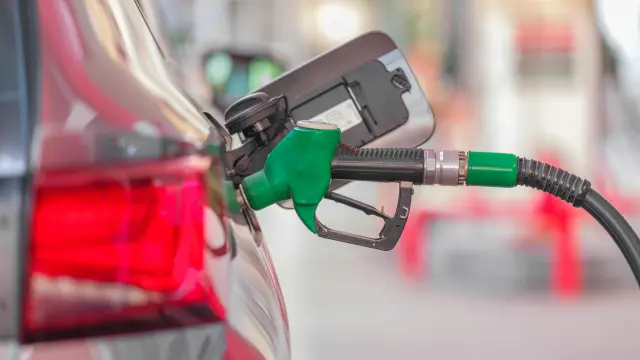
Petrol station

A self-service petrol station, open 24 hours a day, 7 days a week, is available in Le Corbier, which is situated 3 km from La Toussuire.

The following fuels are available there: SP95, SP98, diesel.

Payment by bank card only. Address: Le Planet, 73300 Le Corbier

Charging points hybrid or electric cars

There are4 charging points available in La Toussuire:

  • Rue des Fondeurs, behind the Le Perce Neige building: Here you’ll find a charging point with 4 sockets (2 dual 22 kVA points). To use it, you’ll need to have your app to hand.
  • Les Soldanelles Hotel / Restaurant: A charging point with four sockets (two dual 22 kVA points).
  • CGH Alpaga Residence: 2 charging points, €25 for 4 hours. You do not need an app to access these. You will need to go directly to the residence reception to pay and collect the access card for the charging point. Residence opening hours: daily from 8.00 am to 12.00 pm and from 2.00 pm to 8.00 pm.
  • Carrefour Montagne: 3 charging points, with one socket per point.
Coming by car In winter in La Toussuire

Driving in winter: between the Mountain Code and adapting your driving style, how do you make sense of it all? Don’t panic – we’ll explain everything to you.

All about the Mountain Act

On 1 November 2021, the government passed a law: the ‘Mountain Law’. But what does it involve?

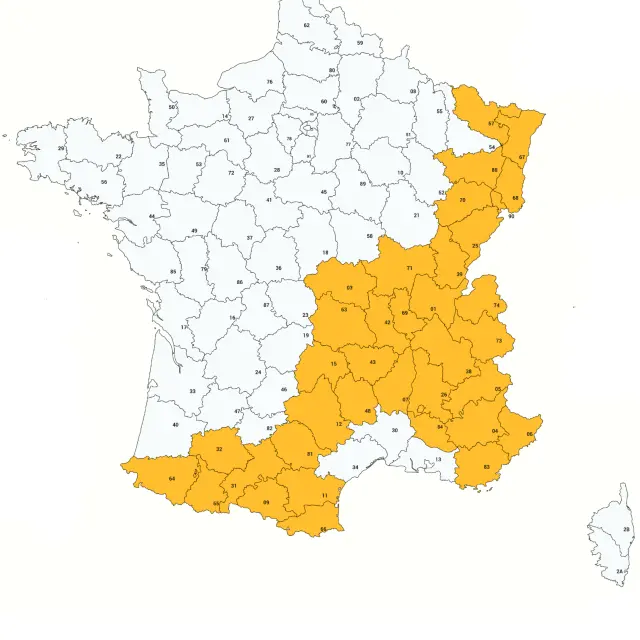
It requires vehiclestravelling through or based in the areas covered by this law to be fitted with special equipment, with the aimof improving traffic flow in mountainous regions and enhancing your safety. All vehicles with four or more wheels are subject to this requirement: passenger cars, commercial vehicles, motorhomes, coaches, buses and heavy goods vehicles.

This law is in force from 1 November to 31 March each year.

The equipment Compulsory

Winter tyres

All four wheels of the vehicle must be fitted with tyres.

Channels

The chains must be fitted to the drive wheels on the vehicle.

Socks

The tyres must be fitted to the drive wheels on the vehicle.

However, to extend the lifespan of snow chains and tyre socks, these should only be fitted when the roads are snow-covered; as soon as the tarmac becomes visible again, remove them.

From 1 November 2024, tyres bearing only the M+S (Mud + Snow) marking will no longer be permitted.

Good to know

Although snow socks are permitted as winter equipment, we recommend that you use snow chains to reach the resort.

As they are more effective on snow-covered or icy roads, they may be required by the police when road conditions deteriorate.

Having snow chains in your vehicle ensures you can tackle the climb to La Toussuire with complete peace of mind.

Our tips for driving on snow

On start-up

Try to change into second gear quicklyafter setting off.

Acceleration

Accelerate gradually; it’s best to do this on a straight stretch of road to avoid wheel spin.

Speed

Drive at your own pace; there’s no point in trying to keep up with other cars – your pace is just right. Anticipate bends, avoid sudden changes of direction; a smooth driving style is best.

Braking

When braking, engine braking is essential. If you need to brake, do so gradually; don’t slam on the brakes. Also, try as far as possible to brake in a straight line; never brake whilst cornering, to avoid spinning out.

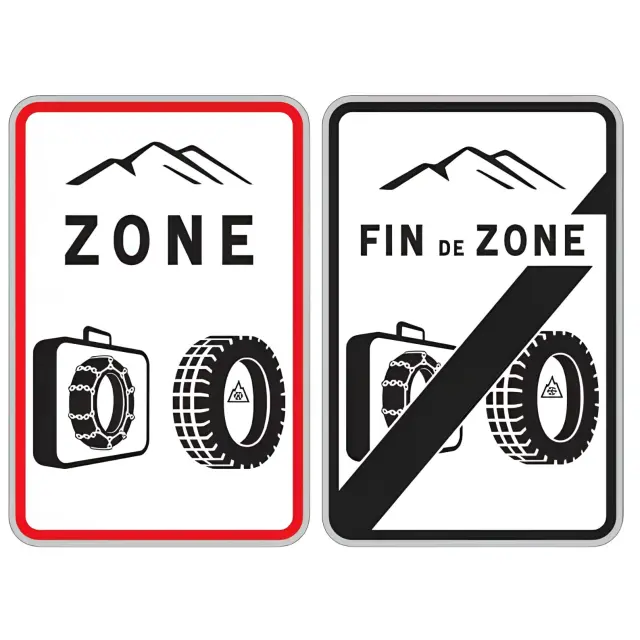
The signs signage

How do I know when I’m entering an area covered by the Mountain Act?

As soon as you enter or leave an area where special equipment is compulsory, you will see these signs by the side of the road.

Prepare your visit